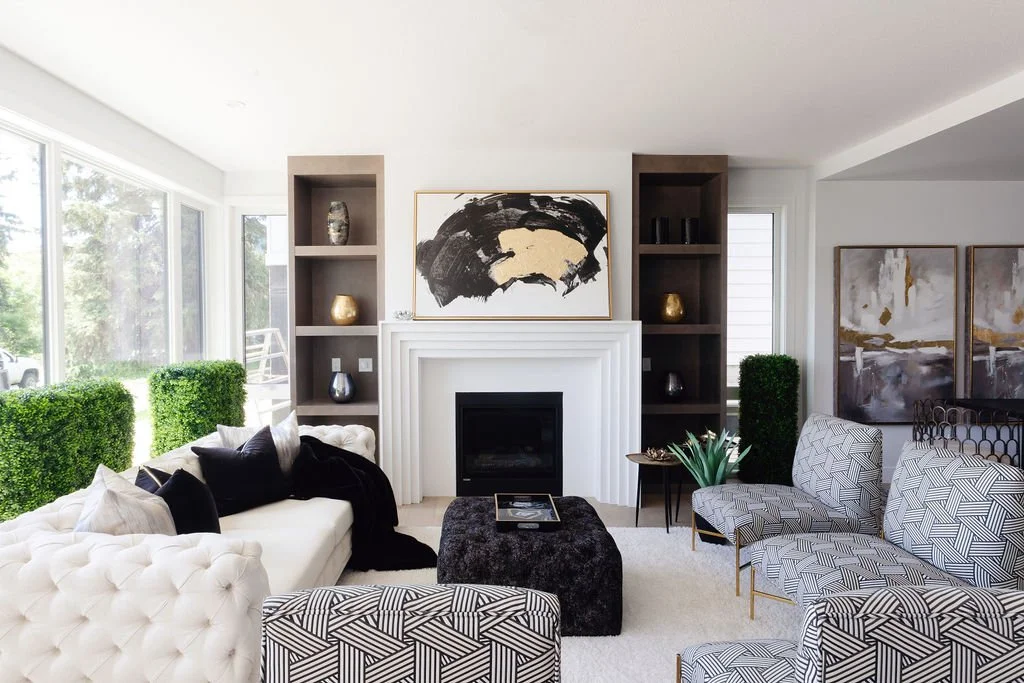
Home Staging Tips That Increase Property Value. Home staging is one of the most effective ways to increase property value and attract buyers faster. It goes far beyond decorating; staging is about presenting your home in a way that highlights its strengths, minimizes its weaknesses, and helps buyers imagine living there. When done correctly, home staging can lead to higher offers, shorter time on the market, and smoother negotiations.
This detailed guide explores proven home staging tips that increase property value, with practical examples, room-by-room advice, common mistakes to avoid, and answers to frequently asked questions. Whether you are selling a small apartment or a large family home, these strategies will help you maximize your return.
Why Home Staging Matters When Selling a Property
How Buyers Make Decisions
Most buyers form an opinion within minutes of entering a property. Staging helps create a strong first impression and an emotional connection, which directly influences perceived value.
The Financial Impact of Staging
Staged homes often:
- Sell faster
- Receive more showings
- Attract stronger offers
Even simple staging techniques can increase a buyer’s willingness to pay.
Staging vs Renovation
Unlike major renovations, staging focuses on presentation rather than construction. It is usually more affordable and delivers faster returns.
The Psychology Behind Home Staging
Helping Buyers Visualize the Space
Buyers are not just purchasing walls and floors; they are buying a lifestyle. Staging helps them imagine how the space fits their daily lives.
Reducing Buyer Doubt
Cluttered or poorly presented homes raise questions. Staged homes feel cared for and move-in ready, which reduces hesitation.
Creating Emotional Appeal
Emotion often drives purchasing decisions. A warm, inviting space encourages buyers to act quickly and confidently.
Preparing Your Home Before Staging
Decluttering for Maximum Impact
Decluttering is the foundation of effective staging. Remove:
- Excess furniture
- Personal photos and items
- Unused décor
A decluttered home feels larger, cleaner, and more valuable.
Deep Cleaning Every Area
Cleanliness signals maintenance and quality. Focus on:
- Kitchens and bathrooms
- Floors and windows
- Closets and storage areas
A professionally cleaned home consistently performs better in showings.
Making Minor Repairs
Fix visible issues such as:
- Loose handles
- Dripping faucets
- Cracked tiles
Small repairs prevent buyers from assuming larger problems exist.
Curb Appeal Staging Tips
First Impressions Start Outside
The exterior sets expectations for the rest of the home. Buyers often decide how they feel before walking through the door.
Simple Exterior Improvements
- Trim lawns and hedges
- Add potted plants or flowers
- Clean walkways and driveways
These small upgrades increase perceived value immediately.
Entryway Appeal
A welcoming front door, clean doormat, and good lighting create a positive transition into the home.
Living Room Staging Tips
Create a Clear Layout
Arrange furniture to highlight space and flow. Avoid blocking walkways or overcrowding the room.
Use Neutral Colors
Neutral tones appeal to a wider audience and make rooms feel brighter and larger.
Add Simple, Inviting Touches
Throw pillows, area rugs, and soft lighting add warmth without overwhelming the space.
Kitchen Staging Tips That Add Value
Declutter Countertops
Clear countertops make kitchens look larger and more functional. Leave only a few tasteful items.
Highlight Cleanliness and Light
Clean appliances, polished surfaces, and good lighting make kitchens feel modern and well-maintained.
Update Without Renovating
Small upgrades, such as new cabinet handles or modern light fixtures, can refresh the space without major expense.
Bedroom Staging Tips for Emotional Appeal
Create a Calm, Restful Atmosphere
Bedrooms should feel peaceful. Use neutral bedding, minimal décor, and soft lighting.
Emphasize Space, Not Storage
Avoid overcrowding bedrooms with furniture. Buyers want to see open floor space.
Primary Bedroom Focus
The primary bedroom often carries emotional weight. Make it feel comfortable, balanced, and inviting.
Bathroom Staging Tips That Increase Perceived Value
Spa-Like Presentation
Bathrooms sell better when they feel clean and luxurious. Use:
- Fresh towels
- Simple accessories
- Neutral colors
Remove Personal Items
Store toiletries and personal products out of sight to reduce visual clutter.
Focus on Cleanliness
Sparkling bathrooms give buyers confidence in the overall condition of the home.
Dining Area and Open-Concept Spaces
Define the Space Clearly
Use rugs, lighting, or furniture placement to define dining areas, especially in open floor plans.
Keep It Simple
A clean table setting with minimal décor helps buyers imagine hosting and everyday use.
Home Office and Flex Space Staging
Highlight Versatility
Show how extra rooms can serve multiple purposes, such as:
- Home office
- Guest room
- Hobby space
Avoid Over-Personalization
Neutral setups appeal to buyers with different needs.
Lighting Techniques That Boost Property Value
Maximize Natural Light
Open curtains and blinds to let in as much light as possible.
Use Layered Lighting
Combine ambient, task, and accent lighting to create depth and warmth.
Replace Outdated Fixtures
Modern lighting fixtures can significantly update a space with minimal cost.
Color Choices That Appeal to Buyers
Neutral Palettes Sell Better
Neutral colors help buyers focus on the space rather than personal taste.
Consistency Throughout the Home
A cohesive color scheme creates flow and makes the property feel larger and more polished.
Accent Colors in Moderation
Subtle accents add interest without overwhelming the space.
Professional Staging vs DIY Staging
When Professional Staging Makes Sense
Professional staging is ideal for:
- Vacant homes
- Luxury properties
- Competitive markets
DIY Staging Tips
Homeowners can stage effectively by:
- Using existing furniture thoughtfully
- Keeping décor minimal
- Focusing on cleanliness and light
Common Home Staging Mistakes to Avoid
Over-Staging the Home
Too much décor can make spaces feel cluttered and artificial.
Ignoring Storage Areas
Buyers inspect closets and cabinets. Organized storage adds perceived value.
Forgetting Odors and Sounds
Unpleasant smells or loud background noise can ruin an otherwise well-staged home.
Real-Life Examples of Staging Success
Example 1: Staging Leads to Higher Offers
A homeowner stages a property after limited interest. The home receives multiple offers and sells above the asking price.
Example 2: Minimal Changes, Big Impact
Fresh paint, decluttering, and new lighting reduce time on market by half.
Example 3: Vacant Home Transformation
A vacant property struggles to attract buyers. After professional staging, it sells within weeks.
Staging for Different Market Conditions
Seller’s Market Strategy
Focus on presentation to encourage bidding wars and maximize the final price.
Buyer’s Market Strategy
Staging becomes essential to stand out and attract attention quickly.
Budget-Friendly Staging Tips
Focus on High-Impact Areas
Spend most of your budget on:
- Living room
- Kitchen
- Primary bedroom
Reuse and Rearrange
Rearranging existing furniture can dramatically improve flow and appearance.
Borrow or Rent Accessories
Temporary décor can enhance staging without permanent costs.
How Staging Affects Appraisals and Negotiations
Supporting Perceived Value
While appraisals are data-driven, a well-presented home reinforces buyer confidence and supports pricing.
Reducing Buyer Requests
Staged homes often face fewer repair requests and price negotiations.
Frequently Asked Questions
Does home staging really increase property value?
Yes, staged homes often sell faster and for higher prices compared to unstaged properties.
Is staging worth it for small homes?
Absolutely. Staging helps small spaces feel larger and more functional.
How much should I spend on staging?
Costs vary, but even small investments can deliver strong returns.
Can I stage my home while living in it?
Yes. Many sellers successfully stage occupied homes with thoughtful organization and neutral décor.
Should I stage if I plan to sell quickly?
Staging often speeds up sales, even when the goal is a fast transaction.
Final Thoughts
Home staging is one of the most powerful tools sellers can use to increase property value without major renovations. By focusing on presentation, cleanliness, light, and emotional appeal, staging helps buyers connect with your home and see its full potential.
The best home staging tips are not about perfection but about clarity and comfort. When buyers can easily imagine themselves living in your space, they are more likely to act quickly and offer confidently.
With the right staging strategy, your property does not just look better—it performs better on the market.