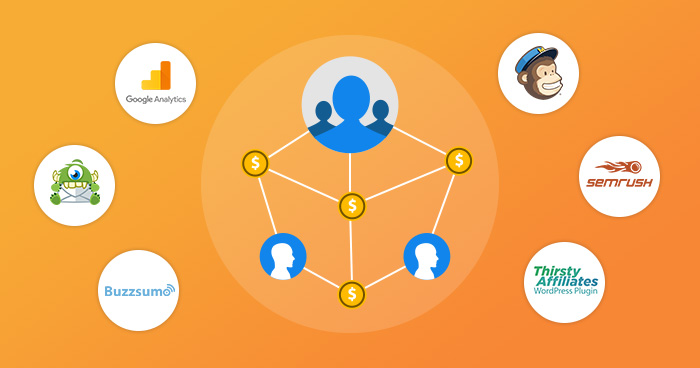
Top Affiliate Marketing Tools for Beginners. Affiliate marketing can be a highly rewarding way to earn money online, especially for beginners who are ready to learn and invest in the right tools. While it’s possible to start affiliate marketing with just a laptop and determination, using the right tools will help you grow faster, optimize your efforts, and scale your income. Whether you are launching your first affiliate website, starting a YouTube channel, or building an email list, the tools you choose can make a huge difference in your success.
In this detailed and SEO-friendly guide, we’ll explore the top affiliate marketing tools for beginners — from keyword research and content creation to tracking, analytics, and automation. You’ll find examples of how these tools can be used in real affiliate marketing setups, plus a helpful FAQ section to answer common questions.
Why Beginners Should Use Affiliate Marketing Tools
Starting affiliate marketing without tools is like trying to navigate a city without a map. Tools help you:
- Research profitable niches and keywords
- Create SEO-optimized content
- Track conversions and clicks
- Automate email marketing
- Manage social media and scheduling
- Measure performance accurately
Investing in the right tools early helps you avoid wasted time, optimize your content for search engines, and make better decisions based on performance data.
Tools for Choosing a Niche and Performing Research
Before you start writing content or promoting products, you need to select a profitable niche and understand what your audience is searching for.
Keyword Research Tools
Google Keyword Planner
Google Keyword Planner helps you identify search volume and trends for keywords related to your niche.
- Best for: Beginners on a budget
- Use case: Finding keywords like “best budget laptops” or “email marketing tools for bloggers.”
- Example: A beginner blogger researching keywords uses Google Keyword Planner to find phrases with medium competition and high search volume to include in their SEO content.
Ubersuggest
Ubersuggest provides keyword ideas, competitive analysis, and domain authority metrics.
- Best for: Beginners who want an all-in-one SEO research tool
- Use case: Discovering long-tail keywords that drive traffic
- Example: A fitness affiliate marketer uses Ubersuggest to find “best resistance bands for home workouts” and incorporates it into their blog post titles.
AnswerThePublic
AnswerThePublic visualizes search questions people ask online.
- Best for: Content ideas and understanding audience intent
- Use case: Finding questions like “how to choose the best web host.”
- Example: A tech blogger uses it to build an FAQ section around common queries to improve organic search visibility.
Tools for Website Building and Hosting
A professional website helps build credibility and attract search traffic for affiliate marketing.
WordPress
WordPress powers millions of blogs and affiliate sites globally because it’s flexible, scalable, and beginner-friendly.
- Best for: Blogging and SEO-focused affiliate marketing
- Use case: Creating long-form content and building landing pages for affiliate products
- Example: A lifestyle blogger uses WordPress to publish a series of “best product review” articles for home gadgets.
Web Hosting Services
Reliable hosting ensures your site loads fast and stays online.
Bluehost
Bluehost is a popular hosting provider recommended for beginners.
- Best for: WordPress hosting with simple setup
- Example: A beginner affiliate marketer sets up WordPress on Bluehost and uses free SSL to secure their site.
SiteGround
SiteGround offers fast performance and great support.
- Best for: Fast-loading affiliate sites
- Example: An affiliate site focusing on tech gear uses SiteGround to ensure quick page loads and better SEO performance.
Tools for Content Creation and Optimization
High-quality content is the backbone of affiliate marketing. These tools help you create and optimize content that ranks.
Grammarly
Grammarly is a writing assistant that helps you avoid grammar mistakes and improve readability.
- Best for: Blog posts, product reviews, and email copy
- Example: A blogger uses Grammarly to refine their article before publishing, ensuring clear and professional writing.
Surfer SEO
Surfer SEO analyzes top-ranking pages and helps you optimize your content to improve search visibility.
- Best for: On-page SEO optimization
- Use case: Improving keyword placement, headings, and content structure
- Example: A beginner affiliate marketer uses Surfer SEO to optimize their “best DSLR cameras” article to compete with high-ranking pages.
Canva
Canva helps you create engaging visuals, infographics, and social graphics.
- Best for: Visual content and social media posts
- Example: A beauty affiliate marketer uses Canva to design attractive product comparison images for their blog.
Tools for Affiliate Link Management
Managing affiliate links can become messy without the right tools. These platforms help you organize and track your links.
Pretty Links
Pretty Links shortens and organizes your affiliate URLs.
- Best for: WordPress users who want clean, branded links
- Use case: Turning long affiliate URLs into short, easy-to-remember versions
- Example: A blogger shortens their affiliate links to look professional in blog posts and social media shares.
ThirstyAffiliates
ThirstyAffiliates helps manage affiliate links, cloaks them, and tracks clicks.
- Best for: Bloggers who want central affiliate link management
- Example: An affiliate marketer uses ThirstyAffiliates to track which links get the most clicks and optimize placements.
Tools for Traffic and Analytics
Tracking performance helps you understand what’s working and what needs improvement.
Google Analytics
Google Analytics is a powerful free tool that shows how users interact with your site.
- Best for: Tracking traffic, behavior, and conversions
- Use case: Monitoring which blog posts drive the most affiliate clicks
- Example: An affiliate marketer notices a spike in traffic from organic search and refines their SEO strategy.
Google Search Console
Search Console shows how your site performs in Google search results.
- Best for: Monitoring keyword impressions, clicks, and indexing status
- Example: A website owner uses Search Console to see which search queries lead to their affiliate content.
Hotjar
Hotjar provides heatmaps and behavior tracking to understand how visitors engage with your content.
- Best for: Improving site layout and call-to-action placement
- Example: A content creator notices users scroll past their affiliate links and adjusts placement to increase conversions.
Tools for Email Marketing and Automation
Email marketing is one of the most effective ways to nurture your audience and increase affiliate sales.
Mailchimp
Mailchimp is a popular email marketing platform for beginners.
- Best for: Building email lists and sending newsletters
- Use case: Creating automated email sequences
- Example: An affiliate marketer builds an email sequence that shares product recommendations with new subscribers.
ConvertKit
ConvertKit is designed for creators and affiliate marketers.
- Best for: Automations, tagging, and targeted campaigns
- Example: A blogger uses ConvertKit to send personalized product recommendations based on subscriber interests.
AWeber
AWeber offers email marketing and automation tools ideal for beginners.
- Best for: Easy onboarding and reliable deliverability
- Example: An affiliate marketer uses AWeber to segment their list and send optimized promotions.
Tools for Social Media and Scheduling
Sharing content on social media helps you reach a wider audience and drive traffic to your affiliate links.
Buffer
Buffer helps you schedule posts on multiple social platforms.
- Best for: Consistent posting without manual effort
- Example: A YouTube creator schedules links and video promotions across social channels using Buffer.
Hootsuite
Hootsuite offers social media scheduling, monitoring, and analytics.
- Best for: Managing multiple accounts and tracking performance
- Example: An affiliate marketer plans a content calendar for Facebook, Instagram, and LinkedIn using Hootsuite.
Tools for Video and Multimedia Content
Video content is powerful for affiliate marketing because it engages audiences visually.
YouTube Creator Studio
YouTube Creator Studio helps you track views, watch time, and audience engagement.
- Best for: Affiliate marketers using video content
- Example: A tech reviewer uses Creator Studio to see which product videos lead to affiliate clicks.
OBS Studio
OBS Studio enables high-quality screen recording and live streaming.
- Best for: Recording tutorials and product demonstrations
- Example: A software affiliate records how-to videos showing product features using OBS Studio.
Tools for Performance Tracking and Optimization
Tracking performance lets you know what’s effective and where to improve.
ClickMeter
ClickMeter helps you track clicks, conversions, and link performance.
- Best for: Affiliate marketers focused on ROI
- Example: An affiliate marketer uses ClickMeter reports to improve placement of affiliate links.
SEMrush
SEMrush is a premium tool for competitive research, SEO, and analytics.
- Best for: Comprehensive keyword and competitor analysis
- Example: A blogger discovers high-performing keywords and content gaps with SEMrush data.
Examples of Using Affiliate Marketing Tools Together
Example 1: Affiliate Blog Workflow
- Use Ubersuggest to find profitable keywords.
- Publish SEO-optimized content in WordPress.
- Create visuals with Canva.
- Shorten links using Pretty Links.
- Track performance in Google Analytics and Search Console.
- Build an email list in ConvertKit.
This integrated workflow helps beginners create content that attracts traffic and converts visitors into affiliate customers.
Example 2: Video Affiliate Strategy
- Record product demos with OBS Studio.
- Upload and optimize videos using YouTube Creator Studio.
- Share links via Buffer on social media.
- Monitor link performance with ClickMeter.
- Send follow-up content via Mailchimp.
Using tools strategically helps you reach viewers and nurture them toward conversions.
Frequently Asked Questions (FAQs)
What tools do beginners need for affiliate marketing?
Beginners should start with keyword research tools, content creation platforms, SEO optimization tools, link management systems, and email marketing software. These tools help attract visitors and optimize conversion opportunities.
Are free affiliate marketing tools effective?
Yes. Many free tools (like Google Analytics, Keyword Planner, and YouTube Creator Studio) are highly effective for beginners and provide valuable data without cost.
Do I need all these tools at once?
No. Start with essential tools like a keyword research tool, website platform, and link manager. You can add other tools as your business grows.
Can affiliate marketing be successful without a website?
Yes. You can use YouTube, social media, or email marketing without a website. But having a website often improves SEO and long-term growth.
What is the best email marketing tool for beginners?
ConvertKit and Mailchimp are great options for beginners. ConvertKit offers powerful automation, while Mailchimp is easy to start with.
Final Thoughts on Affiliate Marketing Tools for Beginners
Choosing the right tools for affiliate marketing makes your journey smoother and more efficient. As a beginner, focus on tools that help you research topics, create quality content, attract traffic, and track performance. Start with essential platforms and add more tools over time as you grow.
Affiliate marketing is not just about earning commissions — it’s about building systems that work for you. With the right tools, you can optimize your workflow, track what matters, and create scalable processes that lead to long-term success.
Start with a solid foundation, be consistent in your efforts, and continue learning. As your skills improve, the tools you choose will become powerful allies in your affiliate marketing journey.