Affiliate Marketing for Beginners: Step-by-Step Blueprint. Affiliate marketing is one of the easiest and most beginner-friendly ways to make money online. You do not need to create your own product, manage inventory, or handle customer support. Instead, you earn commissions by promoting other companies’ products or services.
This step-by-step blueprint is designed specifically for beginners. It explains affiliate marketing from the ground up, shows exactly how to get started, provides real-world examples, and answers common questions. By the end of this guide, you will have a clear roadmap to launch your affiliate marketing journey with confidence.
What Is Affiliate Marketing?
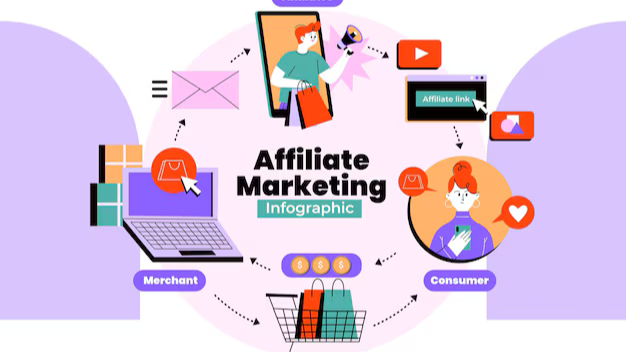
Affiliate marketing is a performance-based marketing model where you earn a commission for promoting someone else’s product or service. You share a unique affiliate link, and when a user clicks that link and makes a purchase, you earn a percentage of the sale.
How Affiliate Marketing Works
- A company creates an affiliate program
- You join the program and receive a unique tracking link
- You promote the product through content, social media, or email
- A customer clicks your link and buys
- You earn a commission
Example: A beginner blogger writes a review about a web hosting service. A reader clicks the affiliate link and signs up for hosting. The blogger earns a commission for that referral.
Why Affiliate Marketing Is Ideal for Beginners
Affiliate marketing is popular among beginners because of its low barrier to entry.
Key Benefits for Beginners
- No product creation required
- Low startup costs
- Can be done part-time
- Scalable income potential
- Works in almost any niche
Example: A student starts a simple blog reviewing budget tech gadgets. With consistent content and affiliate links, they begin earning small commissions that grow over time.
Step 1: Understand the Affiliate Marketing Ecosystem
Before jumping in, it is important to understand the main players involved.
The Three Core Players
Merchants
These are companies or individuals that own the product or service.
Affiliates
These are marketers like you who promote the product in exchange for commissions.
Customers
These are the people who purchase the product through affiliate links.
Understanding this ecosystem helps you see how value flows and where your role fits in.
Step 2: Choose a Profitable Affiliate Niche
Your niche is the specific topic or market you focus on. Choosing the right niche is one of the most important steps for beginners.
What Makes a Good Affiliate Niche
- Clear audience with specific problems
- Products available to promote
- Long-term demand
- Balance between interest and profitability
Popular Beginner-Friendly Niches
- Health and fitness
- Personal finance
- Technology and software
- Online education
- Lifestyle and hobbies
Example: Instead of choosing a broad niche like fitness, a beginner chooses home workouts for busy professionals, making content more targeted and relevant.
Step 3: Select the Right Affiliate Programs
Once you choose a niche, you need affiliate programs to promote.
Types of Affiliate Programs
Physical Product Programs
Examples include online marketplaces that sell gadgets, tools, or household items.
Digital Product Programs
These include online courses, software, memberships, and ebooks.
Service-Based Programs
These offer commissions for referrals to hosting companies, tools, or subscriptions.
What Beginners Should Look For
- Reliable tracking and payouts
- Reasonable commission rates
- Good product reputation
- Beginner-friendly approval process
Example: A beginner in the blogging niche promotes web hosting and email marketing tools, earning recurring commissions each month.
Step 4: Choose a Platform to Promote Affiliate Links
You need a platform where you can share content and affiliate links.
Common Affiliate Marketing Platforms
Websites and Blogs
Blogs are ideal for long-term growth and SEO traffic.
YouTube
Video reviews and tutorials work well for affiliate promotions.
Social Media
Platforms like Instagram, TikTok, and Pinterest can drive traffic quickly.
Email Marketing
Email lists help you build relationships and promote offers repeatedly.
Example: A beginner starts with a simple blog and later expands to YouTube to reach a wider audience.
Step 5: Create Valuable Content That Attracts Traffic
Content is the foundation of affiliate marketing success. Your goal is to help, educate, or solve problems for your audience.
Types of Content That Convert Well
How-To Guides
Step-by-step tutorials that naturally recommend products
Product Reviews
Honest reviews explaining pros, cons, and use cases
Comparisons
Side-by-side comparisons to help users choose
List Articles
Top tools, resources, or recommendations in your niche
Example: A beginner writes a comparison article about the best budget laptops for students and includes affiliate links to each option.
Step 6: Add Affiliate Links Strategically
Simply placing links randomly does not work. Links should feel natural and helpful.
Best Practices for Affiliate Links
- Place links where they add value
- Use clear calls to action
- Avoid overloading content with links
- Always disclose affiliate relationships
Example: Instead of adding a link in every sentence, a blogger places links after explaining why a product solves a specific problem.
Step 7: Drive Traffic to Your Affiliate Content
Traffic is essential for earning affiliate commissions.
Free Traffic Methods for Beginners
Search Engine Optimization
Writing SEO-friendly content to rank on search engines
Social Media
Sharing content consistently and engaging with followers
Community Platforms
Participating in forums and groups related to your niche
Paid Traffic Options
- Social media ads
- Search engine ads
Beginners are often advised to focus on free traffic first to reduce risk.
Example: A beginner uses SEO to rank for low-competition keywords and gradually builds organic traffic.
Step 8: Build an Email List
Email marketing helps you turn visitors into long-term followers.
Why Email Lists Matter
- Direct access to your audience
- Higher conversion rates
- Ability to promote multiple offers
How Beginners Can Start
- Offer a free guide or checklist
- Use simple email automation tools
- Send helpful emails before promotions
Example: A personal finance affiliate offers a free budgeting template in exchange for email signups, then recommends budgeting apps through affiliate links.
Step 9: Track Performance and Optimize
Tracking helps you understand what works and what does not.
Key Metrics to Monitor
- Traffic sources
- Click-through rates
- Conversion rates
- Earnings per click
Use these insights to improve content, update links, and focus on high-performing strategies.
Example: A beginner notices review articles convert better than general posts and decides to create more reviews.
Step 10: Scale Your Affiliate Marketing Efforts
Once you see results, scaling helps grow income.
Scaling Strategies
- Create more content in your niche
- Target higher-paying affiliate programs
- Expand to new platforms
- Outsource content creation
Example: A beginner blogger hires freelance writers to publish more articles and increase organic traffic faster.
Real-Life Beginner Affiliate Marketing Examples
Example 1: Blog-Based Affiliate
- Niche: Home workouts
- Platform: Blog
- Strategy: SEO articles and product reviews
- Result: Consistent monthly commissions from fitness equipment
Example 2: YouTube Affiliate
- Niche: Tech gadgets
- Platform: YouTube
- Strategy: Video reviews with affiliate links in descriptions
- Result: Passive income from video views over time
Example 3: Social Media Affiliate
- Niche: Beauty
- Platform: Instagram and TikTok
- Strategy: Short videos and product recommendations
- Result: Affiliate sales through bio links and stories
Common Mistakes Beginners Should Avoid
Choosing a Niche Only for Money
Ignoring personal interest often leads to burnout.
Expecting Instant Results
Affiliate marketing takes time and consistency.
Promoting Too Many Products
Focus on a few high-quality offers.
Ignoring Trust and Transparency
Honesty builds long-term credibility and conversions.
Frequently Asked Questions (FAQs)
Is affiliate marketing suitable for complete beginners?
Yes, affiliate marketing is one of the most beginner-friendly online business models due to its low startup cost and simplicity.
How long does it take to make money with affiliate marketing?
Most beginners see results within 3 to 6 months, depending on effort, niche, and traffic strategy.
Do I need a website to start affiliate marketing?
A website is recommended but not mandatory. You can start with social media, YouTube, or email marketing.
How much money can beginners make with affiliate marketing?
Earnings vary widely. Some beginners earn a small side income, while others scale to a full-time income over time.
Is affiliate marketing still profitable?
Yes, affiliate marketing continues to grow as online shopping and digital services expand worldwide.
Final Thoughts on Affiliate Marketing for Beginners
Affiliate marketing is not a get-rich-quick, low-effort model, but it is one of the most accessible ways for beginners to build online income. With the right niche, quality content, consistent traffic efforts, and patience, affiliate marketing can grow into a reliable and scalable income stream.
This step-by-step blueprint provides a clear starting point. Focus on learning, delivering value, and building trust with your audience. Over time, those efforts can translate into meaningful affiliate commissions and long-term online success.