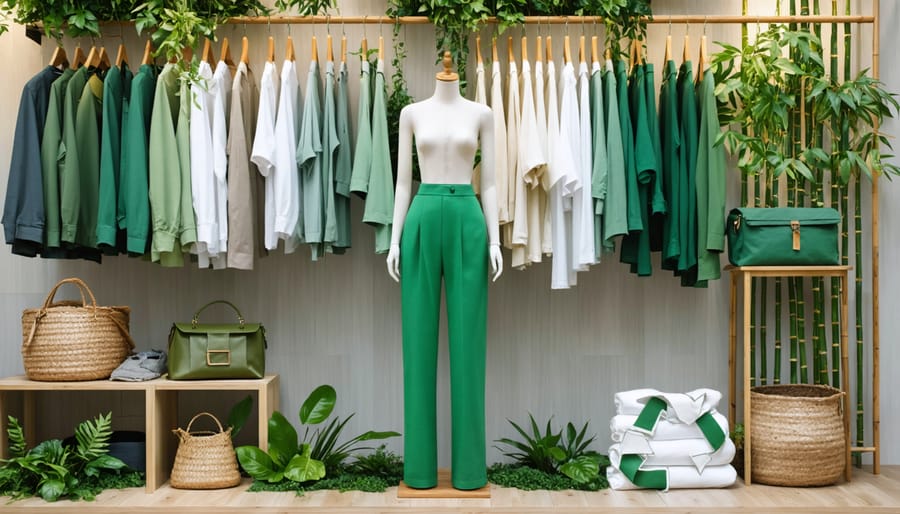
Sustainable Fashion: Stylish Choices That Help the Planet. The fashion industry is one of the most influential industries in the world, shaping culture, identity, and self-expression. However, it is also one of the largest contributors to environmental pollution and resource depletion. Sustainable fashion has emerged as a powerful solution, proving that style and environmental responsibility can coexist. Today, consumers are increasingly choosing fashion that not only looks good but also does good for the planet.
This in-depth guide explores sustainable fashion, why it matters, how it works, and how you can make stylish choices that help the planet. With practical examples and frequently asked questions, this article will help you understand how sustainability is transforming the fashion world.
What Is Sustainable Fashion
Sustainable fashion refers to clothing, accessories, and footwear that are designed, produced, distributed, and consumed in ways that reduce environmental and social harm.
Core Principles of Sustainable Fashion
- Ethical labor practices
- Environmentally friendly materials
- Reduced waste and pollution
- Long-lasting, high-quality design
Sustainable fashion focuses on the entire lifecycle of a garment, from raw materials to disposal or reuse.
Why Sustainable Fashion Matters
The environmental and social impacts of conventional fashion are significant.
Environmental Impact of Fast Fashion
Fast fashion relies on mass production and rapid trend cycles.
Key Environmental Issues
- Excessive water consumption
- Chemical pollution from dyes
- Textile waste in landfills
- High carbon emissions
Example: Producing one cotton t-shirt can require thousands of liters of water.
Social and Ethical Concerns
Many garments are produced under poor working conditions.
Common Social Issues
- Low wages
- Unsafe factories
- Excessive working hours
Sustainable fashion aims to protect both people and the planet.
How Sustainable Fashion Supports the Planet
Sustainable fashion reduces environmental harm through mindful practices.
Lower Carbon Footprint
Eco-friendly production methods use less energy and reduce greenhouse gas emissions.
Reduced Water Usage
Sustainable brands often use water-efficient techniques or recycled water systems.
Waste Reduction
Sustainable fashion promotes:
- Recycling
- Upcycling
- Zero-waste design
These practices help keep clothing out of landfills.
Sustainable Materials Used in Fashion
Materials sustainably play a crucial role.
Organic and Natural Fibers
These fibers are grown with fewer chemicals and less water.
Examples of Natural Sustainable Materials
- Organic cotton
- Linen
- Hemp
- Wool from ethical sources
Recycled and Regenerated Fabrics
Recycled materials give new life to existing waste.
Popular Recycled Materials
- Recycled polyester
- Recycled nylon
- Regenerated cellulose fabrics
Example: Many activewear brands now use recycled plastic bottles to create performance fabrics.
Innovative Sustainable Materials
Technology has introduced new eco-friendly textiles.
Emerging Fabric Innovations
- Plant-based leather alternatives
- Mushroom-based materials
- Lab-grown fibers
These innovations reduce reliance on animal products and fossil fuels.
Ethical Production and Fair Labor Practices
Sustainable fashion also focuses on human rights.
What Ethical Fashion Means
Ethical fashion ensures safe working conditions and fair wages.
Transparency in Supply Chains
Sustainable brands often share information about:
- Factory locations
- Labor standards
- Production processes
Transparency builds trust and accountability.
Timeless Style Over Trends
Sustainable fashion encourages moving away from trend-driven consumption.
Why Timeless Fashion Matters
Classic designs stay relevant longer, reducing the need for constant replacement.
Examples of Timeless Pieces
- Neutral-colored tops
- Well-fitted jeans
- Tailored blazers
- Simple dresses
These items can be styled in multiple ways over many years.
Building a Sustainable Wardrobe
Creating a sustainable wardrobe is about intention, not perfection.
Start With What You Already Own
The most sustainable clothing is what you already have.
Tips for Using Existing Clothes
- Mix and match outfits
- Repair damaged items
- Alter clothes for a better fit
Buy Less but Better
Choose quality over quantity.
What to Look For
- Durable fabrics
- Versatile designs
- Good construction
Higher-quality items last longer and reduce waste.
Secondhand and Thrift Fashion
Secondhand shopping is one of the most sustainable fashion choices.
Benefits of Buying Secondhand
- Extends garment life
- Reduces demand for new production
- Saves money
Where to Shop Secondhand
- Thrift stores
- Online resale platforms
- Vintage shops
Example: A secondhand jacket prevents additional water use and carbon emissions.
Sustainable Fashion on Any Budget
Sustainable fashion is not limited to luxury brands.
Affordable Ways to Dress Sustainably
- Thrift and resale shopping
- Clothing swaps
- Seasonal sales from ethical brands
Cost-Per-Wear Mindset
Instead of focusing on price, consider how often you will wear an item.
A moderately priced item worn frequently is more sustainable than a cheap item worn once.
Capsule Wardrobes and Sustainability
Capsule wardrobes align perfectly with sustainable fashion values.
How Capsule Wardrobes Reduce Waste
- Fewer purchases
- More outfit combinations
- Less closet clutter
Example of a Sustainable Capsule Wardrobe
- 8 versatile tops
- 5 bottoms
- 3-layering pieces
- 2 pairs of shoes
This setup supports multiple seasons and occasions.
Sustainable Fashion Brands and Practices
Many brands are actively working toward sustainability.
What Sustainable Brands Focus On
- Eco-friendly materials
- Ethical manufacturing
- Transparent sourcing
Certifications to Look For
- Organic material certifications
- Fair labor certifications
- Environmental impact labels
These indicators help consumers make informed choices.
Caring for Clothes to Extend Their Life
Garment care plays a major role in sustainability.
Washing and Maintenance Tips
- Wash clothes less frequently
- Use cold water
- Air dry when possible
Repair Instead of Replace
Simple repairs can add years to a garment’s life.
Learning basic sewing skills supports sustainable habits.
The Role of Consumers in Sustainable Fashion
Consumer choices directly influence the fashion industry.
How Your Choices Make a Difference
- Supporting ethical brands
- Reducing impulse purchases
- Sharing knowledge about sustainability
Every purchase sends a message to brands.
Challenges in Sustainable Fashion
While progress is being made, challenges remain.
Greenwashing
Some brands exaggerate sustainability claims.
How to Avoid Greenwashing
- Research brand practices
- Look for transparency
- Read material labels
Accessibility and Awareness
Sustainable fashion is not equally accessible everywhere.
Education and awareness continue to improve global adoption.
Examples of Sustainable Fashion in Everyday Life
- Wearing thrifted jeans instead of buying new ones
- Choosing organic cotton basics
- Repairing shoes instead of replacing them
- Swapping clothes with friends
Small actions create meaningful impact.
Benefits of Sustainable Fashion
Sustainable fashion offers advantages beyond environmental protection.
Personal Benefits
- Unique style
- Higher-quality clothing
- More intentional shopping habits
Environmental Benefits
- Reduced waste
- Lower carbon footprint
- Conservation of natural resources
Social Benefits
- Support for fair labor
- Safer working conditions
The Future of Sustainable Fashion
Sustainability is shaping the future of fashion.
Emerging Trends
- Circular fashion models
- Clothing rental services
- Digital fashion innovation
Brands are increasingly investing in sustainability-focused research and design.
How to Transition to Sustainable Fashion Gradually
You do not need to change everything overnight.
Simple First Steps
- Buy secondhand when possible
- Choose one sustainable brand
- Reduce impulse purchases
Gradual changes lead to long-term habits.
Frequently Asked Questions About Sustainable Fashion
Is sustainable fashion really better for the environment?
Yes. It reduces pollution, conserves resources, and minimizes waste compared to fast fashion.
Does sustainable fashion cost more?
Not always. Secondhand shopping and long-lasting pieces can save money over time.
Can sustainable fashion still be stylish?
Absolutely. Sustainable fashion offers modern, classic, and creative styles for all tastes.
How can I tell if a brand is sustainable?
Look for transparency, ethical practices, and clear information about materials and production.
Is buying less really impactful?
Yes. Reducing consumption is one of the most effective ways to lower environmental impact.
Sustainable Fashion for Different Lifestyles
Sustainable Fashion for Work
- Neutral staples
- Versatile layering pieces
- Durable fabrics
Sustainable Fashion for Casual Wear
- Organic cotton basics
- Secondhand denim
- Comfortable, long-lasting shoes
Sustainable Fashion for Special Occasions
- Renting outfits
- Buying timeless formalwear
- Rewearing statement pieces
Sustainability fits every lifestyle.
Conclusion
Sustainable fashion proves that style does not have to come at the expense of the planet. By choosing ethical materials, supporting fair labor practices, reducing waste, and embracing timeless design, sustainable fashion offers a smarter and more responsible way to dress. From secondhand shopping and capsule wardrobes to innovative fabrics and mindful care, every step toward sustainability matters.
Making stylish choices that help the planet is not about perfection; it is about progress. Whether you start by wearing what you already own, buying secondhand, or supporting sustainable brands, your choices contribute to a healthier environment and a more ethical fashion industry. Sustainable fashion empowers individuals to express themselves while protecting the world we live in, making it one of the most meaningful style movements of our time.


