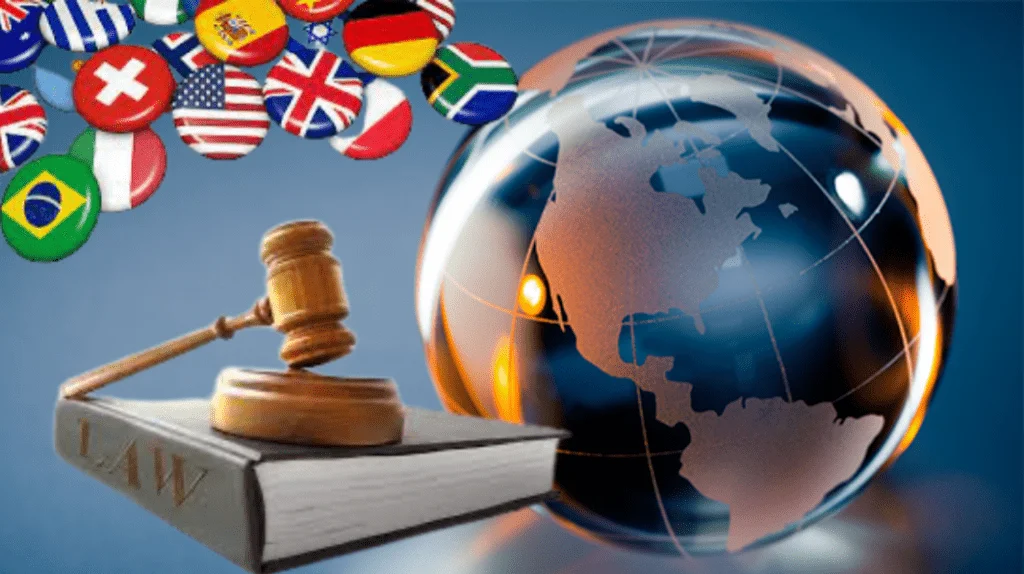
🌍 What Is an International Lawyer? Roles, Skills, and Why They Matter in a Globalized World
In an increasingly interconnected world, businesses, governments, and individuals are frequently engaged in cross-border activities. Whether it’s international trade, immigration, diplomacy, or human rights, navigating the legalities that span multiple jurisdictions can be extremely complex. That’s where an international lawyer comes in.
This article provides a comprehensive and SEO-optimized explanation of what an international lawyer does, their key responsibilities, qualifications, specialties, and how they contribute to global law and order.
🌐 What Is an International Lawyer?
An international lawyer is a legal professional who specializes in laws that govern the relationships between nations, as well as laws that regulate private transactions and disputes that cross international borders. These attorneys may work on issues such as:
- International trade agreements
- Human rights violations
- Extradition and asylum cases
- International arbitration
- Cross-border business and tax law
- International environmental law
In essence, international lawyers work in a legal framework that extends beyond domestic borders. They are crucial in helping clients—whether individuals, corporations, or governments—navigate complex, multi-jurisdictional legal issues.

⚖️ Scope of International Law Practice
International law is broadly divided into two main categories:
1. Public International Law
This deals with the relationships between countries and is governed by treaties, conventions, and customs. Topics include:
- Human rights
- War crimes and genocide
- Environmental law
- Diplomatic relations
- Maritime law
2. Private International Law (Conflict of Laws)
This governs conflicts between individuals or entities that arise in international contexts. Topics include:
- International business contracts
- Family law across borders (e.g., divorce, custody)
- International taxation
- Extradition
- International estate law
🏛️ Where Do International Lawyers Work?
International lawyers work in a variety of settings:
- Law firms (specializing in international trade, immigration, or business law)
- Multinational corporations
- Non-governmental organizations (NGOs)
- Government agencies and embassies
- United Nations (UN) and its bodies
- World Trade Organization (WTO)
- International courts and tribunals (e.g., International Criminal Court)

📚 Educational Requirements
To become an international lawyer, one typically must:
1. Earn a Bachelor’s Degree
Preferably in political science, international relations, or pre-law.
2. Complete Law School
A Juris Doctor (JD) in the U.S., or LLB in other countries. Specialized international law courses are strongly recommended.
3. Pass the Bar Exam
Usually in their home country, though many international lawyers may seek admission in multiple jurisdictions.
4. Advanced Degrees (Optional but Advantageous)
A Master of Laws (LL.M.) in International Law is often pursued for deeper specialization.
5. Multilingual Proficiency
Fluency in multiple languages is a huge asset, especially when dealing with clients or contracts in different countries.
🛠️ Key Roles and Responsibilities
Here are the primary functions of an international lawyer:
1. Advising on International Regulations
- International lawyers advise clients on compliance with international treaties, trade laws, and foreign regulations.
2. Drafting and Reviewing Cross-Border Contracts
- They ensure contracts comply with local and international laws, protecting clients from legal loopholes and jurisdictional risks.
3. Litigation and Dispute Resolution
- International lawyers represent clients in international courts and arbitration tribunals, such as:
- International Criminal Court (ICC)
- International Court of Justice (ICJ)
- International Centre for Settlement of Investment Disputes (ICSID)
4. Handling Immigration and Asylum Cases
- They help clients with visa issues, political asylum, and deportation cases.
5. Corporate and Tax Structuring
- Assist multinational companies with international mergers, acquisitions, and cross-border taxation.
6. Human Rights Advocacy
- International lawyers may work with NGOs to challenge human rights abuses or represent persecuted individuals.
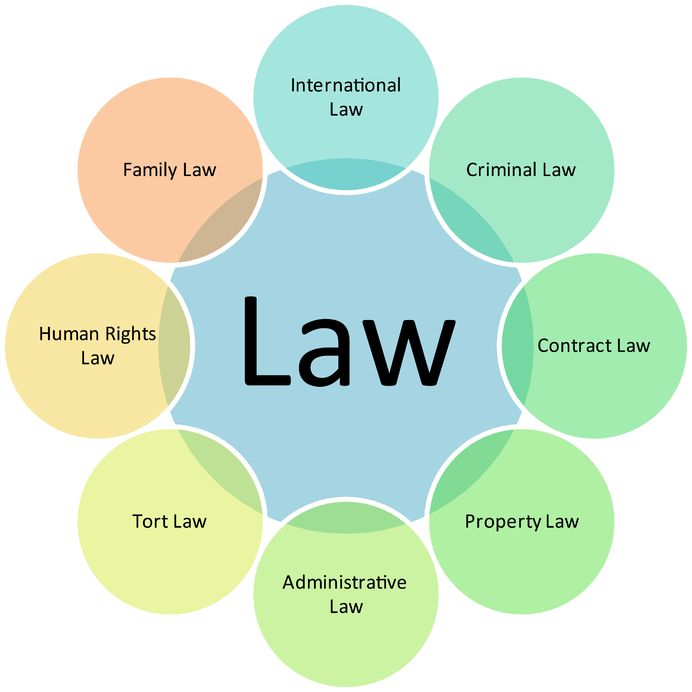
🌍 Real-World Applications of International Law
| Situation | Role of an International Lawyer |
|---|---|
| A U.S. company expanding into Europe | Draft contracts, ensure GDPR compliance, and advise on tax laws |
| Refugee seeking asylum from a war-torn country | File asylum application, represent in hearings, and provide legal support |
| International environmental dispute | Represent nations or companies at international climate tribunals |
| Extradition request between countries | Challenge or facilitate the legal transfer of an accused individual |
| Global company facing sanctions | Advise on international trade sanctions and compliance |
👨⚖️ Notable Specializations in International Law
1. International Trade Lawyer
Focuses on World Trade Organization (WTO) rules, import/export regulations, trade embargoes, and sanctions.
2. International Human Rights Lawyer
Works to uphold civil liberties globally, often affiliated with the United Nations, NGOs, or the International Criminal Court.
3. International Business/Corporate Lawyer
Assists companies with cross-border transactions, joint ventures, IP protection, and tax law.
4. International Arbitration Lawyer
Specializes in resolving international disputes through arbitration rather than litigation.
5. International Criminal Lawyer
Handles war crimes, terrorism charges, and crimes against humanity.
🧠 Essential Skills for an International Lawyer
- Legal Expertise across multiple jurisdictions
- Fluency in foreign languages
- Analytical Thinking to understand complex legal systems
- Strong Communication Skills for negotiations and diplomacy
- Cultural Competence when dealing with foreign clients and governments
- Discretion and Integrity in sensitive political or corporate matters
🌐 Difference Between Domestic and International Lawyers
| Feature | Domestic Lawyer | International Lawyer |
|---|---|---|
| Jurisdiction | National or regional | Multiple countries |
| Client Base | Local individuals/companies | Global clients, governments, NGOs |
| Law Focus | Local and federal law | Treaties, international conventions, foreign laws |
| Court Appearance | Local/national courts | International tribunals and foreign courts |
💼 Career Outlook and Salary
The demand for international legal experts continues to grow as globalization increases. Job prospects are strongest in:
- Multinational corporations
- International finance and trade firms
- Intergovernmental organizations (e.g., UN, IMF, EU)
- Large international law firms
Salary Range:
| Experience Level | Estimated Annual Salary (USD) |
|---|---|
| Entry-Level | $65,000 – $100,000 |
| Mid-Level | $100,000 – $200,000 |
| Senior/Partner | $200,000 – $500,000+ |
Salaries vary widely depending on the location, specialization, and size of the firm or organization.

📈 Pros and Cons of Being an International Lawyer
✅ Pros:
- Work on global issues
- High earning potential
- Opportunities to travel and live abroad
- Make an impact on human rights, global trade, or diplomacy
❌ Cons:
- Requires long hours and extensive travel
- Must stay updated on ever-changing laws
- High-pressure negotiations and legal complexity
- Potential for political complications or security risks in volatile regions
❓FAQs About International Lawyers
Q1. Do international lawyers need to be licensed in multiple countries?
Not always. Many work in advisory or consulting roles and partner with local counsel for litigation.
Q2. Can international lawyers represent clients in any country?
Only if they’re licensed in that country or allowed through specific legal frameworks. Most collaborate with local attorneys.
Q3. Is international law a good career?
Yes, for those passionate about global affairs, languages, and cross-border problem-solving. It offers meaningful and well-paid work.
Q4. Do international lawyers travel a lot?
Yes. Many international lawyers frequently travel for arbitration, negotiations, or legal research.
Q5. What industries hire international lawyers?
- Finance
- Trade
- Tech
- Energy
- Humanitarian work
- Immigration services
🏁 Conclusion: Why International Lawyers Are More Important Than Ever
In today’s hyper-connected, globalized world, the need for skilled international lawyers is more crucial than ever. Whether it’s resolving cross-border disputes, defending human rights, or facilitating global business expansion, international lawyers serve as the legal bridge between nations, cultures, and economic systems.
With the right skills, education, and global outlook, becoming an international lawyer offers an exciting and impactful legal career that extends far beyond borders.