
What Is a Corporate Lawyer? A Complete Guide to Business Lawyers, Roles, and Responsibilities
In today’s fast-paced business world, every successful company—whether a startup or multinational conglomerate—requires more than a brilliant idea and strong leadership. One key behind-the-scenes player is the corporate lawyer, also known as a business lawyer. These legal professionals ensure companies stay compliant, avoid legal pitfalls, and navigate complex commercial transactions with confidence.
But what exactly does a corporate lawyer do? What skills do they bring to the table? And why are they essential in the modern business landscape?
In this comprehensive article, we explore the detailed description of a corporate lawyer, their roles, areas of expertise, importance in business operations, and how to become one.

What Is a Corporate Lawyer?
A corporate lawyer is a legal professional who specializes in corporate law and provides legal advice and services to businesses. These attorneys help companies comply with regulations, draft and review contracts, manage mergers and acquisitions, and represent them in legal disputes.
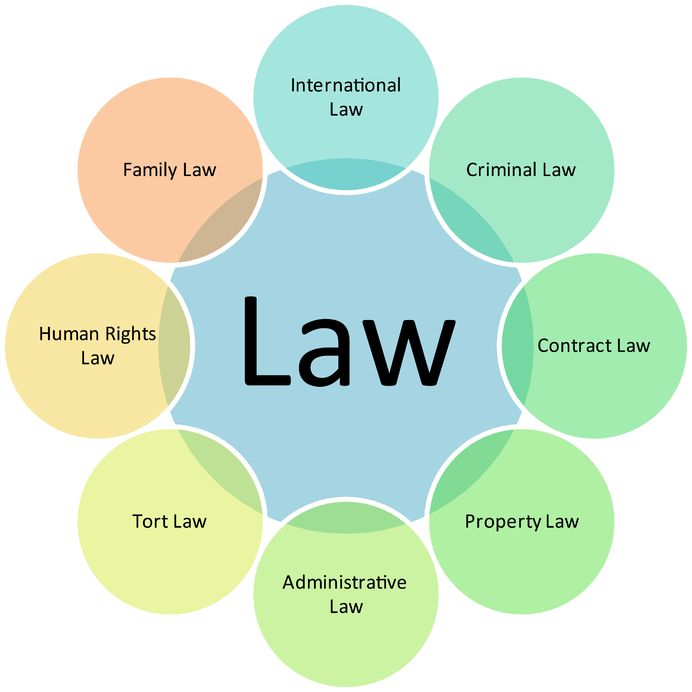
Unlike criminal or family law attorneys who deal with individuals, corporate lawyers work primarily with companies, organizations, and entrepreneurs, guiding them through legal procedures and business transactions.
Key Responsibilities of a Corporate Lawyer
Corporate law covers a broad spectrum of legal tasks. The day-to-day responsibilities of a corporate lawyer vary depending on the size and type of the business they represent but typically include:
1. Business Formation and Structuring
- Advising on the legal structure: LLC, corporation, partnership, etc.
- Drafting articles of incorporation, bylaws, and shareholder agreements
- Registering businesses with regulatory authorities
2. Contract Drafting and Review
- Writing and reviewing employment contracts, vendor agreements, NDAs, and more
- Ensuring contracts are legally enforceable and protect the client’s interests
- Negotiating terms between multiple parties
3. Corporate Governance
- Ensuring that the company complies with legal and regulatory obligations
- Advising on board structures and duties of directors and officers
- Assisting with shareholder meetings, minutes, and voting processes
4. Mergers and Acquisitions (M&A)
- Conducting due diligence on companies being acquired or merged
- Negotiating and drafting purchase agreements and shareholder agreements
- Navigating antitrust and competition law issues
5. Compliance and Risk Management
- Advising companies on local, national, and international laws
- Ensuring adherence to employment, tax, environmental, and securities laws
- Creating policies to minimize legal risk and manage compliance programs
6. Intellectual Property (IP) Protection
- Assisting with trademark and patent filings
- Drafting licensing agreements
- Preventing or addressing IP infringement claims
7. Employment Law
- Advising on labor policies, employee rights, and HR matters
- Drafting employee handbooks, contracts, and termination agreements
- Handling legal issues related to workplace discrimination, harassment, or wage disputes
8. Litigation Management
- Representing the company in business lawsuits (if practicing litigators)
- Coordinating with litigation firms and in-house legal departments
- Managing dispute resolution through arbitration or mediation

Types of Corporate Lawyers
Corporate lawyers often specialize in specific areas depending on the needs of the business. Common specializations include:
| Type of Corporate Lawyer | Key Focus |
|---|---|
| M&A Lawyer | Mergers, acquisitions, divestitures |
| Securities Lawyer | Public offerings, SEC compliance |
| Contract Attorney | Drafting and negotiating business contracts |
| Tax Lawyer | Corporate tax strategy and compliance |
| Intellectual Property Attorney | IP rights, trademarks, patents |
| Compliance Officer | Regulatory oversight and internal policies |
Corporate Lawyer vs Business Lawyer: Is There a Difference?
In most cases, the terms corporate lawyer and business lawyer are used interchangeably. However:
- Corporate Lawyers typically deal with matters involving corporate structure, governance, and large-scale transactions like mergers and acquisitions.
- Business Lawyers may handle a broader range of issues for small to medium-sized enterprises, including employment law, leases, and general business operations.
- In practice, many lawyers perform both functions depending on their client base.
Why Corporate Lawyers Are Essential for Businesses
Hiring a corporate lawyer isn’t just for resolving legal issues. It’s a proactive investment in business success and sustainability. Here’s why:
✅ 1. Preventing Legal Issues Before They Happen
A good lawyer identifies risks and resolves them before they escalate into lawsuits or compliance penalties.
✅ 2. Ensuring Regulatory Compliance
Corporate laws change frequently. Business lawyers help companies stay up-to-date with evolving legislation in tax, labor, trade, and environmental law.
✅ 3. Safeguarding Intellectual Property
In a digital and innovation-driven era, protecting trademarks, logos, inventions, and proprietary methods is crucial.
✅ 4. Supporting Growth and Expansion
From acquiring new companies to entering international markets, lawyers facilitate business development with strategic legal insight.
✅ 5. Building Credibility
A company backed by sound legal structures, contracts, and policies earns more trust from investors, partners, and customers.
Skills Required to Be a Successful Corporate Lawyer
| Skill | Why It Matters |
|---|---|
| Analytical Thinking | To evaluate complex contracts and laws |
| Negotiation Skills | Essential for closing deals and resolving disputes |
| Business Acumen | Understanding financial and commercial implications |
| Attention to Detail | Critical for drafting accurate legal documents |
| Communication | Explaining legal terms clearly to non-lawyers |
| Time Management | Handling multiple clients and deadlines efficiently |
Educational Path to Become a Corporate Lawyer
Here’s how to become a corporate or business lawyer:
- Obtain a Bachelor’s Degree (4 years)
- Recommended majors: Business, Economics, Political Science, or Pre-Law
- Take the LSAT Exam
- Required for admission into law schools in many countries
- Earn a Juris Doctor (J.D.) Degree (3 years)
- Focus on courses like contract law, corporate law, business law, and ethics
- Pass the Bar Exam
- Required to practice law in the state or country of choice
- Gain Work Experience
- Through internships, clerkships, or as a junior associate at a law firm
- Specialize
- Many lawyers later choose to specialize in M&A, tax, or IP law
Where Do Corporate Lawyers Work?
Corporate lawyers can work in various settings:
| Workplace | Roles |
|---|---|
| Law Firms | Represent multiple corporate clients |
| In-House Counsel | Work full-time for one company |
| Consulting Firms | Offer legal and regulatory strategy |
| Government Agencies | Ensure corporate compliance with laws |
| Startups/Tech Companies | Help with rapid scaling, IP, and contracts |
Top Global Corporate Law Firms
Here are some of the world’s most recognized corporate law firms:
- Kirkland & Ellis LLP – Chicago, USA
- Skadden, Arps, Slate, Meagher & Flom LLP – New York, USA
- Clifford Chance LLP – London, UK
- Latham & Watkins LLP – Los Angeles, USA
- DLA Piper – Global (HQ in London)
- Baker McKenzie – Global presence in 46 countries
- Freshfields Bruckhaus Deringer LLP – London, UK
These firms handle multi-billion-dollar mergers, IPOs, and regulatory issues for some of the largest corporations in the world.
Challenges Faced by Corporate Lawyers
While lucrative and prestigious, corporate law comes with its own set of challenges:
- Long working hours, especially during deals or filings
- High-pressure environments with tight deadlines
- Constant legal updates requiring ongoing learning
- Ethical dilemmas involving business practices or clients
- Work-life balance issues in large corporate firms

Future of Corporate Law
The corporate law landscape is evolving rapidly. Here are trends shaping the future:
📈 1. Technology Integration
- AI is automating contract analysis and due diligence
- Legal tech tools are streamlining compliance and document management
🌍 2. Globalization
- International law and cross-border regulations are becoming increasingly important
🌱 3. Focus on ESG (Environmental, Social, Governance)
- Companies must now consider sustainability, diversity, and ethical standards
🧑⚖️ 4. Increased Regulatory Scrutiny
- More oversight in industries like finance, healthcare, and tech

Conclusion
A corporate lawyer is not just a legal advisor; they are a strategic business partner who plays a pivotal role in the success, growth, and longevity of a company. From launching a startup to handling billion-dollar mergers, these professionals ensure that the business world operates smoothly and legally.
For entrepreneurs, executives, and business owners, partnering with a skilled business lawyer is not just wise—it’s essential. Whether you’re drafting contracts, acquiring assets, or navigating corporate governance, having an experienced corporate attorney by your side provides protection, clarity, and peace of mind.
FAQs About Corporate Lawyers
Q1: What is the average salary of a corporate lawyer?
A: In the U.S., corporate lawyers earn between $100,000 and $250,000+ annually depending on experience, location, and firm size.
Q2: Do corporate lawyers go to court?
A: Most corporate lawyers do not regularly appear in court. They focus on transactions, contracts, and compliance. Litigation is typically handled by separate business litigators.
Q3: Can small businesses hire corporate lawyers?
A: Yes. Many solo practitioners and small firms specialize in helping startups and SMEs with affordable legal services.
Q4: Is corporate law a good career?
A: Yes, it’s highly respected and well-paying, though competitive and demanding. It suits those with strong analytical and communication skills.
Q5: How can I find a good corporate lawyer?
A: Use legal directories like Avvo, Martindale-Hubbell, or contact your local bar association for referrals.