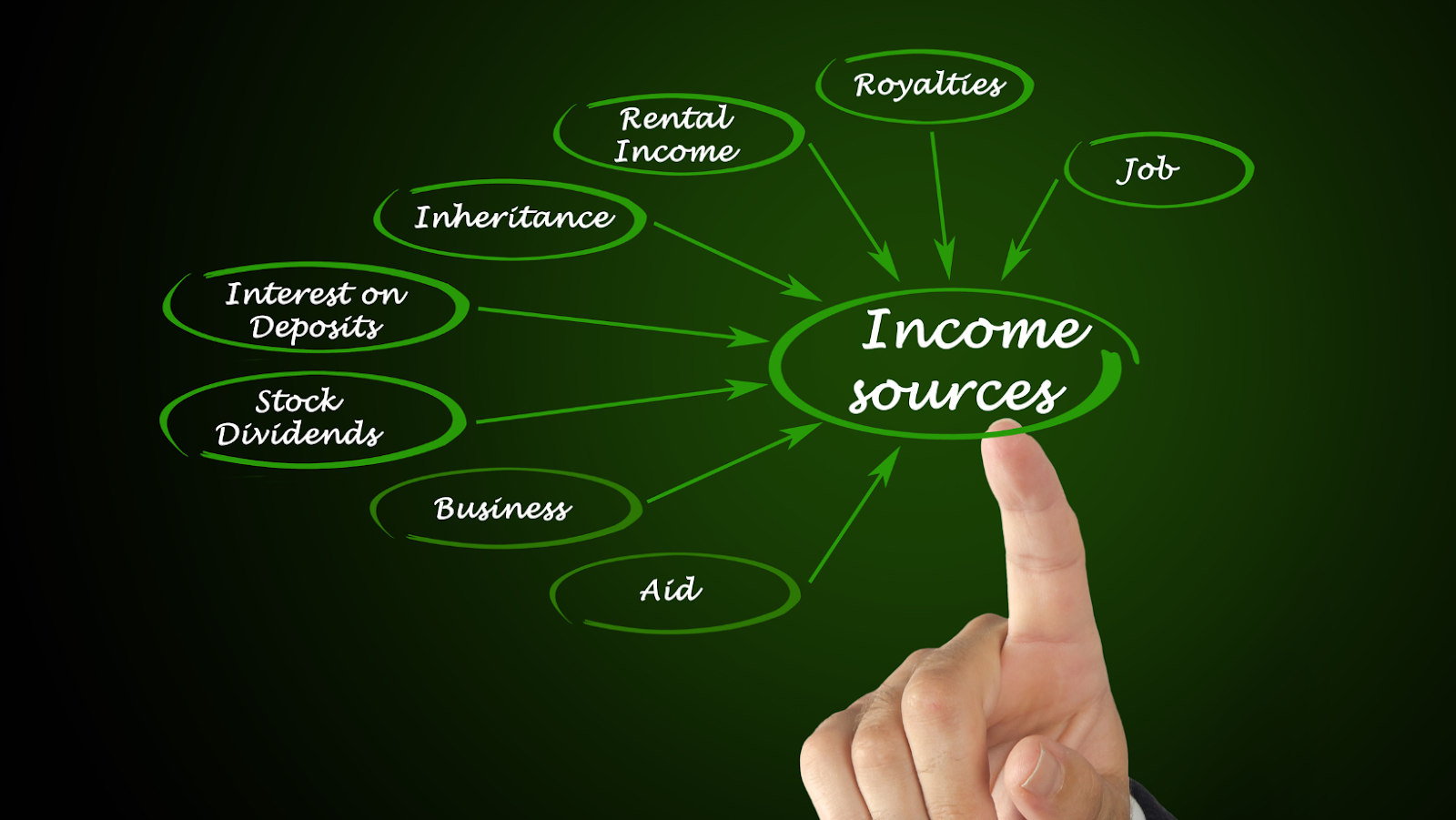
How Successful Online Entrepreneurs Build Multiple Income Streams. Building multiple income streams is a hallmark of successful online entrepreneurs. Relying on a single source of revenue can be risky, while diversifying income helps create financial stability, reduce stress, and open new growth opportunities. The most successful online entrepreneurs know how to combine different revenue sources strategically, leveraging their skills, platforms, and audiences.
This detailed guide explores how successful online entrepreneurs build multiple income streams, provides real-world examples, explains strategies, and answers frequently asked questions to help you diversify your own online business effectively.
Why Multiple Income Streams Are Crucial for Online Entrepreneurs
Online business revenue can be unpredictable. Market shifts, platform changes, and seasonal trends can impact earnings. Multiple income streams act as a safety net.
Benefits of Multiple Income Streams
- Financial stability: If one source dips, others maintain cash flow
- Scalability: Multiple streams allow faster growth
- Risk reduction: Less dependence on a single platform or product
- Opportunities for passive income: Earn while focusing on new projects
- Increased brand authority: Diversified offerings can strengthen your market position
Example: A content creator earns from YouTube ad revenue, affiliate marketing, and a digital course. If ad revenue decreases temporarily, affiliate commissions and course sales sustain income.
Common Income Streams for Online Entrepreneurs
Online entrepreneurs leverage a variety of income sources. The right combination depends on their niche, audience, and expertise.
Product-Based Income
Selling physical or digital products is a primary source for many online entrepreneurs.
- Physical products: Merchandise, books, or retail goods
- Digital products: Ebooks, templates, online courses, and software
Example: An online fitness coach sells branded workout gear and digital training programs to reach different segments of their audience.
Service-Based Income
Offering professional services can be highly profitable and scalable with the right systems.
- Consulting and coaching
- Freelancing
- Agency services
- Web design or content creation
Example: A digital marketing expert provides SEO consulting while also offering an online course on website optimization.
Subscription-Based Income
Recurring revenue is ideal for stability.
- Membership sites
- Subscription boxes
- Software-as-a-Service (SaaS) platforms
Example: A creative entrepreneur runs a membership community providing monthly tutorials, templates, and exclusive resources, ensuring consistent monthly revenue.
Affiliate Marketing
Affiliate income comes from promoting others’ products in exchange for commissions.
- Blog content
- Email campaigns
- Social media promotions
- YouTube or video content
Example: A tech reviewer earns commissions by recommending gadgets and software through affiliate links in videos and blog posts.
Advertising and Sponsorships
Monetizing traffic through ads or partnerships can complement other income streams.
- Display ads on websites or blogs
- Sponsored posts on social media or YouTube
- Brand collaborations
Example: A travel blogger partners with airlines and hotel chains to create sponsored content while earning ad revenue from their blog.
Investments and Passive Income
Some online entrepreneurs reinvest earnings to generate passive income.
- Dividend-paying stocks
- Real estate crowdfunding
- Peer-to-peer lending
- Digital assets like NFTs
Example: A successful entrepreneur uses profits from digital courses to invest in dividend stocks, creating additional cash flow without active work.
How Entrepreneurs Decide Which Income Streams to Pursue
Successful online entrepreneurs evaluate potential income streams based on their strengths, audience, and goals.
Key Factors to Consider
- Audience needs and interests
- Alignment with existing brand or expertise
- Potential for scalability and passive revenue
- Required time, effort, and initial investment
Example: A lifestyle blogger with a large email list may combine affiliate marketing, digital products, and subscription content, matching their audience’s interests while minimizing overhead.
Building Income Streams Without Overstretching
Diversification does not mean taking on too many projects at once. Focus and strategic planning are critical.
Steps to Build Multiple Streams Efficiently
- Start with a primary income source: Solidify one revenue stream first.
- Leverage existing audience: Introduce complementary products or services.
- Automate where possible: Use systems to reduce manual work.
- Test new ideas on a small scale: Validate demand before investing heavily.
- Expand gradually: Add new streams once existing ones are stable.
Example: A freelance graphic designer starts with client work, then launches templates for sale, followed by a subscription-based resource library, gradually increasing income without overloading themselves.
Leveraging Technology for Multiple Income Streams
Technology enables entrepreneurs to manage multiple streams efficiently.
Tools and Platforms
- Ecommerce platforms: Shopify, WooCommerce, Etsy
- Course platforms: Teachable, Kajabi, Thinkific
- Email marketing tools: Mailchimp, ConvertKit
- Affiliate management tools: ShareASale, Impact
- Automation tools: Zapier, HubSpot
Example: A content creator uses Shopify for merchandise, Teachable for courses, and ConvertKit for email automation, ensuring each stream runs smoothly with minimal manual effort.
Scaling Income Streams Strategically
Scaling multiple streams requires careful planning.
Focus on High-Impact Streams First
Not all income sources grow equally. Prioritize those with the best ROI.
Repurpose Content Across Streams
- Turn blog posts into courses or ebooks
- Use YouTube content for social media snippets
- Convert tutorials into paid workshops
Optimize Operations
- Automate sales funnels
- Use outsourcing or virtual assistants
- Track performance with analytics
Example: A business coach repurposes free webinars into paid online courses and email sequences, expanding revenue without creating entirely new content from scratch.
Real-World Examples of Successful Multi-Stream Entrepreneurs
Example 1: Online Course Creator
- Revenue sources: Paid courses, ebook sales, affiliate marketing, consulting sessions
- Strategy: Uses an email list and social media to promote multiple products, while courses provide recurring revenue
Example 2: Lifestyle Blogger
- Revenue sources: Sponsored posts, ads, affiliate products, digital downloads
- Strategy: Monetizes high-traffic content and builds email lists for product promotions
Example 3: SaaS Founder
- Revenue sources: Subscription fees, upsell add-ons, affiliate partnerships, consulting services
- Strategy: Core software provides stable income, while consulting and affiliate programs diversify revenue
Common Challenges Entrepreneurs Face When Building Multiple Income Streams
- Overextension: Taking on too many projects at once
- Time management: Balancing multiple streams efficiently
- Maintaining quality: Avoiding dilution of brand value
- Technical hurdles: Managing different platforms and systems
How to Overcome These Challenges
- Use automation and technology
- Outsource tasks when possible
- Focus on high-impact projects first
- Plan workflows to avoid burnout
Mistakes to Avoid When Diversifying Income Streams
- Starting too many streams too soon
- Ignoring audience needs and preferences
- Choosing streams only based on trends
- Failing to track performance
- Underestimating the time and effort required
Example: An entrepreneur launched multiple unrelated products without audience validation and spent months on low-demand offerings, slowing overall growth.
Strategies to Maximize Each Income Stream
Product-Based Income
- Upsell related products
- Offer bundles
- Use limited-time promotions
Service-Based Income
- Package services for recurring revenue
- Offer premium tiers
- Leverage referrals
Subscription-Based Income
- Create tiered memberships
- Offer exclusive content
- Provide community benefits
Affiliate Marketing
- Focus on high-quality, relevant products
- Create educational content around products
- Track performance to optimize campaigns
Advertising and Sponsorships
- Negotiate long-term deals
- Focus on relevant brands
- Maintain authentic content
FAQ About Building Multiple Income Streams
How many income streams should I aim for?
There’s no exact number. Start with 1-2 solid streams and add gradually. Quality matters more than quantity.
Can multiple income streams become overwhelming?
Yes, which is why automation, outsourcing, and strategic planning are crucial.
Do I need a large audience to build multiple streams?
Not necessarily. Start with what you can reach, and scale as your audience grows.
Are passive income streams truly passive?
Most require initial work and setup. After that, some can generate revenue with minimal maintenance.
How long does it take to build multiple streams successfully?
It varies. Many entrepreneurs see meaningful results within months to a few years, depending on niche, strategy, and effort.
Conclusion: How Successful Online Entrepreneurs Build Multiple Income Streams
Building multiple income streams is essential for sustainable growth and financial security in online entrepreneurship. Successful entrepreneurs diversify strategically, leveraging products, services, subscriptions, affiliate marketing, and passive investments to create a stable and scalable business.
Key takeaways include:
- Start with one strong income source and scale gradually
- Use technology and automation to manage multiple streams
- Align new streams with your audience and expertise
- Focus on quality, not quantity
- Continuously test, track, and optimize
By implementing these strategies, online entrepreneurs can maximize revenue, reduce risk, and build a long-lasting business that thrives even in uncertain markets.