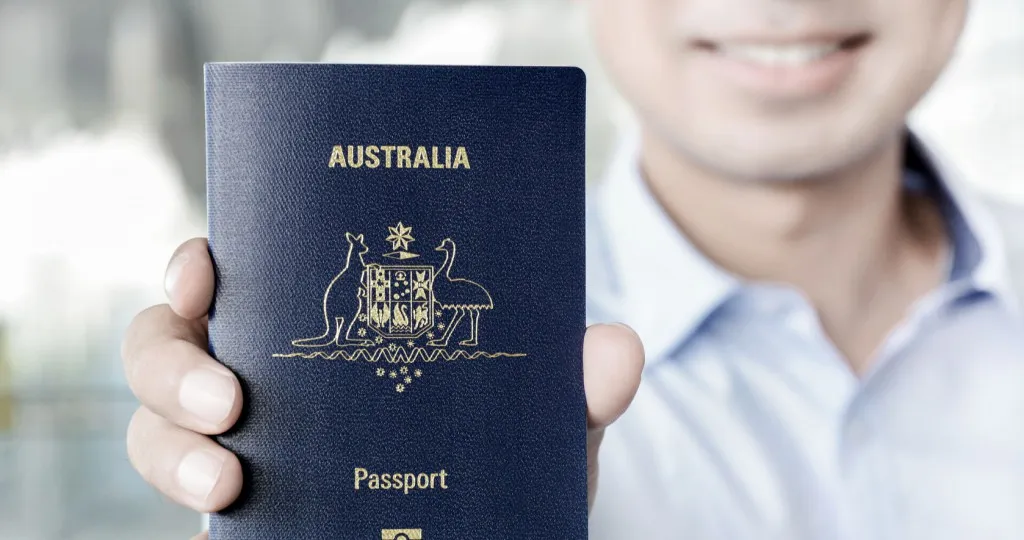
Work Visa & Employment Sponsorship: Lawyer’s Role Explained. Work visas and employment sponsorship are among the most complex areas of immigration law. Unlike tourist or student visas, work-based immigration involves not just the applicant, but also employers, government agencies, and strict compliance rules. A small mistake by either the worker or the employer can lead to delays, denials, fines, or long-term immigration problems.
This detailed guide explains the role of an immigration lawyer in work visa and employment sponsorship cases. You’ll learn how lawyers support both employees and employers, prevent common mistakes, manage compliance, and improve the chances of success. Real-world examples and a comprehensive FAQ section will help you understand why legal guidance is often essential in employment-based immigration.
Understanding Work Visas and Employment Sponsorship
What Is a Work Visa?
A work visa is a legal authorization that allows a foreign national to work in a country for a specific employer, role, and time period. Work visas are usually:
- Employer-specific
- Time-limited
- Conditional on compliance with immigration rules
Some work visas can lead to permanent residence, while others are strictly temporary.
What Is Employment Sponsorship?
Employment sponsorship means an employer agrees to:
- Offer a legitimate job
- Meet government requirements
- Support the worker’s immigration application
- Comply with wage, role, and reporting obligations
Sponsorship creates legal responsibilities for both the employer and the employee.
Why Work Visa Cases Are Especially Complex
Multiple Parties Involved
Work visa cases involve:
- The foreign worker
- The employer
- Immigration authorities
- Sometimes, labor or employment agencies
Coordination errors are common without professional guidance.
Strict Compliance Rules
Employment-based immigration is closely monitored to prevent abuse of labor markets. Governments require proof that:
- The job is genuine
- The wage meets standards
- The worker is qualified
- No local workers are unfairly displaced
Failing to meet these rules can result in serious penalties.
The Immigration Lawyer’s Role in Work Visa Applications
Strategic Advisor, Not Just a Form Filler
An immigration lawyer does far more than complete paperwork. Their role includes:
- Evaluating eligibility for both employer and worker
- Selecting the correct visa category
- Planning timelines and strategy
- Preventing compliance violations
Their guidance protects both parties legally.
Bridging the Gap Between Employer and Employee
Many problems arise because employers and workers misunderstand each other’s responsibilities. Lawyers act as:
- Coordinators
- Translators of legal requirements
- Risk managers
This reduces confusion and delays.
Lawyer’s Role Before the Sponsorship Begins
Assessing Employer Eligibility
Before sponsorship, a lawyer evaluates whether the employer:
- Is legally registered and operating
- Meets financial and compliance standards
- Is eligible to sponsor foreign workers
Not all businesses qualify to sponsor employees.
Assessing Worker Eligibility
Lawyers also assess whether the worker:
- Has the required qualifications
- Meets experience standards
- Is eligible under immigration rules
- Has no disqualifying immigration history
This prevents wasted effort on ineligible cases.
Choosing the Right Work Visa Category
There are often multiple visa options. Choosing the wrong one can lead to refusal.
Lawyers help by:
- Comparing visa pathways
- Selecting the most appropriate category
- Considering long-term goals such as permanent residence
Strategy at this stage is critical.
Lawyer’s Role During the Application Process
Preparing Accurate and Complete Applications
Work visa applications often include:
- Job descriptions
- Employment contracts
- Business documents
- Qualification assessments
- Compliance declarations
Lawyers ensure everything is accurate, consistent, and legally compliant.
Managing Employer Compliance Obligations
Employers must comply with rules related to:
- Minimum wages
- Job duties
- Work location
- Reporting changes
Lawyers explain these obligations clearly to avoid violations.
Coordinating With Government Agencies
Immigration lawyers:
- Communicate with immigration authorities
- Respond to requests for evidence
- Clarify issues before they become problems
Professional communication helps keep cases moving smoothly.
Lawyer’s Role After Visa Approval
Ensuring Ongoing Compliance
Approval is not the end of the process. Lawyers help ensure:
- The employee works only as authorized
- The employer follows sponsorship rules
- Changes are reported properly
Non-compliance after approval can lead to visa cancellation.
Handling Role or Employer Changes
Changing jobs, roles, or employers often requires:
- New approvals
- Updated sponsorship
- Fresh applications
Lawyers guide these transitions to protect legal status.
Common Mistakes in Work Visa and Sponsorship Cases
Mistake 1: Choosing the Wrong Visa Type
Applying under the wrong category can lead to denial or long delays. Lawyers prevent this by matching the visa to the job and worker profile.
Mistake 2: Weak or Inaccurate Job Descriptions
Vague or unrealistic job descriptions raise red flags. Lawyers help draft clear, compliant descriptions that match government standards.
Mistake 3: Employer Non-Compliance
Employers may unintentionally violate rules by:
- Changing job duties
- Reducing wages
- Moving work locations
Lawyers educate employers to avoid penalties.
Mistake 4: Ignoring the Worker’s Immigration History
Past overstays, denials, or unauthorized work can affect eligibility. Lawyers identify and address these issues early.
How Immigration Lawyers Help Employers
Reducing Legal Risk
Employment sponsorship carries legal liability. Lawyers help employers:
- Avoid fines and sanctions
- Pass audits and inspections
- Maintain good standing with authorities
This protects the business long-term.
Saving Time and Resources
Without guidance, employers may:
- Submit incorrect applications
- Face repeated delays
- Lose sponsored employees
Lawyers streamline processes and reduce costly mistakes.
Supporting Workforce Planning
Lawyers advise employers on:
- Hiring timelines
- Visa durations
- Pathways to permanent residence
This helps businesses plan staffing more effectively.
How Immigration Lawyers Help Foreign Workers
Protecting Legal Status
Lawyers ensure workers:
- Understand visa conditions
- Avoid status violations
- Maintain work authorization
This prevents sudden job loss or removal issues.
Supporting Long-Term Immigration Goals
Many workers hope to:
- Extend their stay
- Change employers
- Apply for permanent residence
Lawyers help align short-term visas with long-term goals.
Real-Life Examples
Example 1: Employer Avoids Compliance Penalties
A company unknowingly changed a sponsored employee’s duties. A lawyer identified the issue early and filed the required updates, preventing penalties and visa cancellation.
Example 2: Worker Avoids Visa Denial
A skilled worker applied independently and was denied due to incorrect job classification. With legal help, the application was corrected and approved.
Example 3: Smooth Transition to Permanent Residence
An employer-sponsored worker worked with a lawyer from the start. The lawyer planned a clear pathway from temporary work visa to permanent residence, avoiding gaps in status.
Can an Immigration Lawyer Speed Up Work Visa Processing?
What Lawyers Can Do
Lawyers cannot control government processing times, but they can:
- Prevent delays caused by errors
- Respond quickly to requests
- Avoid rejections that require reapplication
Efficiency often results in faster outcomes.
What Lawyers Cannot Do
Lawyers cannot:
- Skip required steps
- Guarantee processing speed
- Influence decisions improperly
Any such promises are red flags.
Cost vs Value of Hiring an Immigration Lawyer
Understanding Legal Fees
Legal fees depend on:
- Visa type
- Case complexity
- Employer involvement
- Court or appeal requirements
While costs vary, the value often outweighs the expense.
Cost of Mistakes Without a Lawyer
Mistakes can lead to:
- Lost filing fees
- Delayed hiring
- Employee termination
- Legal penalties
Legal guidance often saves money in the long run.
When a Lawyer Is Essential for Work Visas
You should strongly consider hiring an immigration lawyer if:
- The job is specialized or regulated
- The employer is new to sponsorship
- The worker has prior immigration issues
- Permanent residence is a future goal
The higher the complexity, the greater the need for legal support.
Working Effectively With an Immigration Lawyer
What Employers Should Prepare
Employers should be ready to provide:
- Business registration documents
- Financial records
- Job descriptions and contracts
Transparency is critical.
What Workers Should Prepare
Workers should share:
- Education and experience records
- Immigration history
- Career goals
Honesty helps lawyers protect your case.
Common Myths About Work Visa Lawyers
Myth: Employers Can Handle Everything Internally
Without legal expertise, employers often miss compliance details.
Myth: Lawyers Are Only Needed After Problems Arise
Preventive legal guidance is far more effective than damage control.
Myth: Legal Help Is Only for Large Companies
Small businesses often face higher risk and benefit greatly from legal support.
Frequently Asked Questions
What does an immigration lawyer do in a work visa case?
They assess eligibility, prepare applications, manage compliance, and protect both employer and worker from legal risk.
Is a lawyer required for employment sponsorship?
Not legally required in all cases, but strongly recommended due to complexity and liability.
Can a lawyer help with permanent residence through employment?
Yes. Lawyers often plan pathways from temporary work visas to permanent residence.
What happens if an employer violates sponsorship rules?
Violations can lead to fines, loss of sponsorship rights, and visa cancellation for workers.
Can a worker change employers on a sponsored visa?
Sometimes, but it often requires new approvals. A lawyer should guide the process.
Do work visa lawyers help after approval?
Yes. Ongoing compliance and future planning are critical parts of their role.
Final Thoughts
Work visas and employment sponsorship are not just immigration processes—they are legal partnerships between workers, employers, and governments. The rules are strict, the stakes are high, and the margin for error is small.
An immigration lawyer plays a central role in ensuring that work visa applications are accurate, compliant, and strategically planned. From initial eligibility assessments to long-term immigration goals, legal guidance protects both employers and employees from costly mistakes.
When careers, businesses, and legal status are on the line, the role of an immigration lawyer in work visa and employment sponsorship cases is not just helpful—it is often essential.