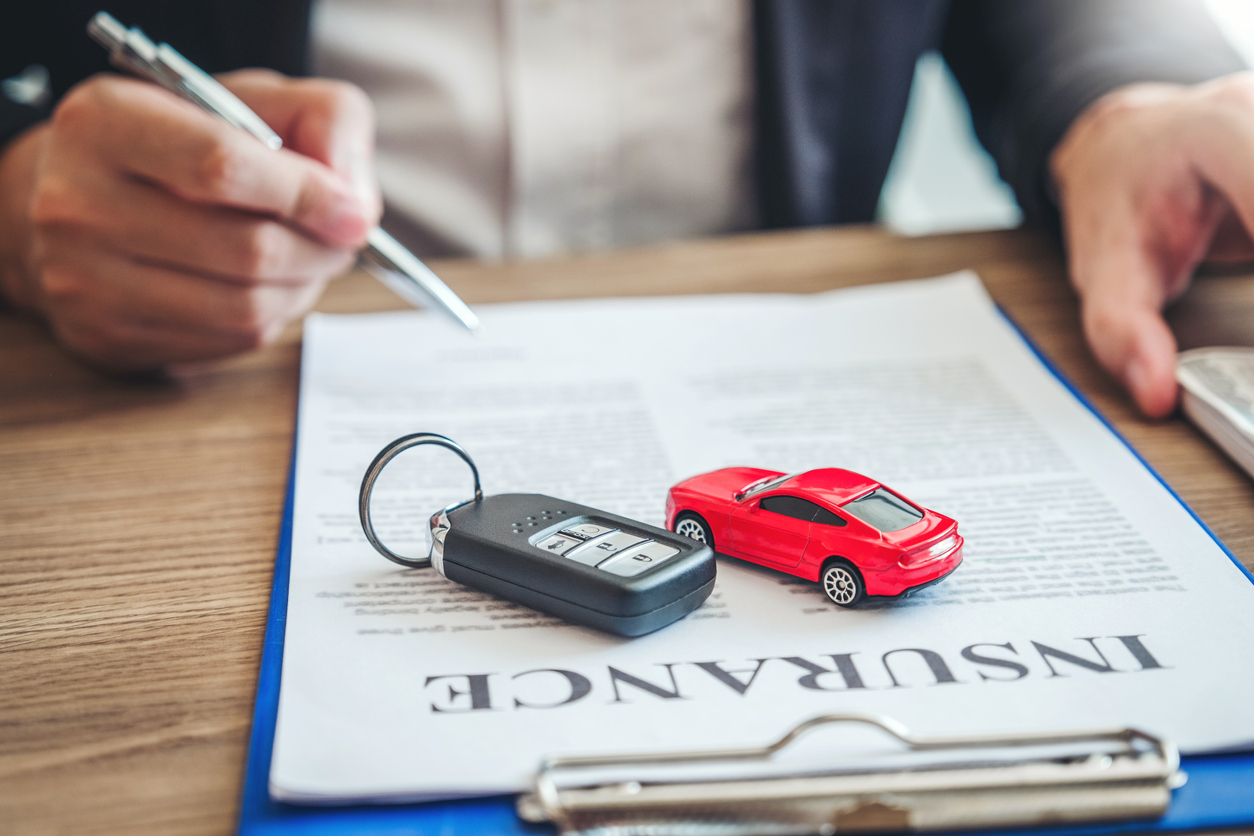
🚗 How Does Car Insurance Work? A Complete Guide for Drivers
Car insurance is one of those things most people know they need—but few understand in detail. Whether you’re a first-time driver or a seasoned motorist, understanding how car insurance works is essential for legal compliance, financial protection, and peace of mind.
In this comprehensive guide, we’ll explain:
By the end of this article, you’ll know exactly how to protect your car, your wallet, and yourself on the road.
🚦 What Is Car Insurance?
Car insurance is a contract between a driver and an insurance company. In exchange for regular payments (called premiums), the insurer agrees to cover financial losses related to accidents, theft, or other damage to your vehicle or other people’s property.
🎯 Purpose of Car Insurance
- Cover repair/replacement costs for your vehicle
- Protect against legal liability if you cause an accident
- Pay for medical costs related to injuries
- Provide financial protection in the event of theft, fire, vandalism, or natural disasters
Most countries (including the U.S., Canada, and much of Europe) legally require at least basic liability insurance.

🔍 How Does Car Insurance Work?
1. You Buy a Policy
You choose an insurance plan that suits your needs and budget, agreeing to pay monthly or annual premiums.
2. You’re Protected Based on Coverage
If you get into an accident or suffer a covered loss, your insurer pays for damages up to your policy limits.
3. You Pay a Deductible
Before the insurer covers the rest, you must pay a deductible—a fixed out-of-pocket amount (e.g., $500).
4. You File a Claim
After a loss, you contact your insurer, submit details, and (often) photos. The insurer investigates, approves or denies the claim, and issues payment if valid.
📋 Types of Car Insurance Coverage
Let’s break down the most common types of car insurance coverage available in 2025:
1. Liability Insurance (Mandatory in Most Countries)
Covers:
- Bodily Injury: Medical expenses for other drivers/passengers if you’re at fault
- Property Damage: Damage to other vehicles, buildings, or property
✅ Required by law in most places
2. Collision Insurance
Covers: Damage to your vehicle from hitting another car or object (regardless of fault)
- 🧾 Deductible applies
- 💡 Recommended for newer or financed vehicles
3. Comprehensive Insurance
Covers: Damage from non-collision events, such as:
- Theft
- Vandalism
- Fire
- Natural disasters
- Animal collisions
✅ Often bundled with collision coverage
4. Personal Injury Protection (PIP) / Medical Payments
Covers:
- Your medical bills
- Lost wages
- Funeral costs (in some cases)
🔁 Applies regardless of fault
🌎 Common in “no-fault” insurance states
5. Uninsured/Underinsured Motorist Coverage
Covers: Your expenses if you’re hit by a driver with no insurance or too little insurance
🛡️ Protects against financial loss when others can’t pay
6. Gap Insurance
Covers: The “gap” between your car’s current market value and what you still owe on a lease or loan
📈 Ideal for new or financed vehicles

💰 How Are Car Insurance Premiums Calculated?
Insurance companies use risk assessment models to determine your premiums. Here’s what affects your rates:
| Factor | Impact |
|---|---|
| Age | Younger drivers usually pay more |
| Driving history | Accidents or tickets raise rates |
| Location | Urban areas = higher risk = higher premiums |
| Vehicle type | Sports cars or luxury cars cost more to insure |
| Credit score (in some countries) | Poor credit can increase rates |
| Usage | More miles = higher risk |
| Coverage limits | Higher coverage = higher premiums |
| Deductible | Higher deductible = lower premium (and vice versa) |
🧾 How to File a Car Insurance Claim (How Does Car Insurance Work)
- Ensure Safety First
- Move to a safe location, check for injuries, and call emergency services if needed.
- Document the Scene
- Take photos of vehicles, damage, and surroundings.
- Exchange insurance and contact information with other drivers.
- Notify Your Insurer
- Most providers offer 24/7 claims services online or via app.
- Provide Evidence
- Upload photos, police reports, and witness statements.
- Wait for the Adjuster
- A claims adjuster will assess damage and liability.
- Receive a Settlement
If approved, the insurer pays for repairs or issues a reimbursement.
🕒 Timeline: Some claims are settled within days, while complex cases can take weeks.
🧠 Car Insurance FAQs (How Does Car Insurance Work)
❓ What happens if I drive without insurance?
You may face:
- Fines or license suspension
- Legal penalties
- Out-of-pocket costs in an accident
- Towing or vehicle impound
❓ Can I insure a car I don’t own?
Yes, with non-owner insurance or if you’re listed as a driver on someone else’s policy.
❓ Does car insurance cover rental vehicles?
Yes, if:
- Your policy includes rental reimbursement
- You’re renting a replacement while your car is repaired
- Otherwise, consider buying rental insurance.

🔐 7 Tips for Choosing the Right Car Insurance Policy
- Compare at Least 3 Providers
- Use platforms like NerdWallet, The Zebra, or Policygenius.
- Choose the Right Coverage Level
- Match your coverage to your car’s value and your risk tolerance.
- Check Financial Ratings
- Stick with companies rated A or better by AM Best or Moody’s.
- Ask About Discounts
- For good driving, bundling home/auto, student status, or safety features.
- Review Deductibles Carefully
- Don’t set it too high if you can’t afford it in an emergency.
- Know What’s Excluded
- Read the fine print—many policies don’t cover mechanical breakdowns.
- Reassess Yearly
- Life changes (like moving or paying off a loan) can lower your rate.
⚠️ Common Car Insurance Myths—Debunked
❌ Myth 1: Red cars cost more to insure
🧠 Truth: Color is not a factor—vehicle make, model, and driving record matter more.
❌ Myth 2: Older cars don’t need insurance
🧠 Truth: Liability insurance is still legally required, even for used cars.
❌ Myth 3: My rates won’t change if I get into a minor accident
🧠 Truth: Even fender benders can raise your premiums depending on fault and cost.
❌ Myth 4: My credit score doesn’t affect car insurance
🧠 Truth: In many U.S. states, it does. Higher credit = lower premiums (excluding California, Hawaii, and Massachusetts).
🔚 Final Thoughts: Car Insurance is Protection, Not Just a Requirement
Car insurance isn’t just a legal formality; it’s your financial safety net on the road. Accidents can happen in a split second, but the right insurance ensures you don’t suffer long-term consequences.
Whether you’re looking for basic liability or full coverage, understanding how car insurance works helps you make informed choices, save money, and drive with peace of mind.
🏁 Take Action:
- ✅ Review your current policy
- 🔍 Compare quotes annually
- 💡 Adjust coverage as your needs change