How to Cook Restaurant-Quality Meals at Home. Cooking restaurant-quality meals at home is not just a dream; it’s a skill you can develop with the right techniques, ingredients, and mindset. Many home cooks assume that creating gourmet meals requires expensive equipment or years of training. The truth is, with simple strategies, smart tools, and careful attention to flavors and presentation, you can enjoy meals at home that rival your favorite restaurants.
This guide will teach you how to elevate your cooking, including tips for flavor layering, plating, and using professional techniques that are easy to replicate at home.
Why Home-Cooked Restaurant-Quality Meals Matter
There are several reasons why learning to cook restaurant-quality meals at home is beneficial:
- Cost-effective: Dining out regularly can be expensive, while home cooking allows you to enjoy gourmet meals for a fraction of the price.
- Healthier: You control the ingredients, portion sizes, and cooking methods, reducing sodium, sugar, and unhealthy fats.
- Creative expression: Cooking at home allows you to experiment with flavors, textures, and plating styles.
- Convenience: You can prepare meals to suit your schedule, dietary needs, and taste preferences.
With these advantages in mind, let’s dive into actionable strategies to bring a restaurant experience into your kitchen.
Key Principles of Cooking Restaurant-Quality Meals
Before we explore recipes, it’s important to understand the fundamental principles chefs use to create exceptional dishes.
1. Quality Ingredients
Restaurant chefs know that great meals start with fresh, high-quality ingredients. Use seasonal produce, fresh herbs, and quality proteins for maximum flavor.
- Proteins: Choose grass-fed beef, free-range chicken, or fresh seafood.
- Vegetables: Look for vibrant, firm produce without blemishes.
- Pantry staples: Olive oil, butter, spices, and high-quality vinegar enhance flavors.
2. Proper Techniques
Mastering cooking techniques can transform ordinary dishes into gourmet meals. Key techniques include:
- Searing: Adds a caramelized crust and enhances flavor in meats and seafood.
- Deglazing: Using wine, stock, or vinegar to lift fond from the pan for sauces.
- Blanching and shocking: Preserves color and texture in vegetables.
- Proper seasoning: Layering salt and spices throughout cooking.
3. Flavor Layering
Restaurants achieve depth by building flavors in stages:
- Start with aromatics like garlic, onions, and herbs.
- Add spices or condiments gradually.
- Finish with a splash of acid (lemon, vinegar) to brighten flavors.
4. Attention to Presentation
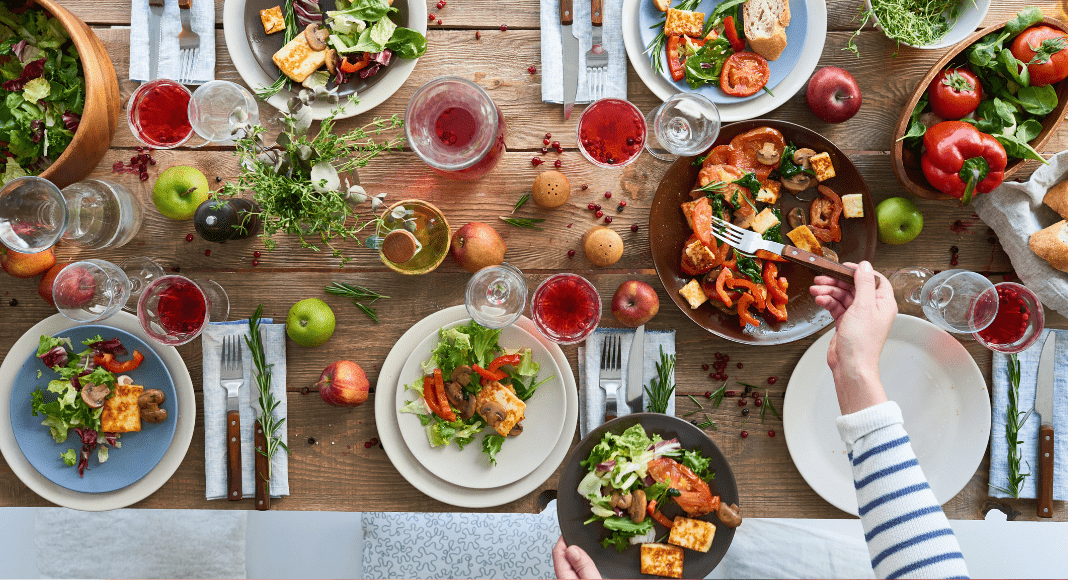
We eat with our eyes first. Simple plating techniques like stacking ingredients, using garnishes, and balancing colors make your meals feel restaurant-ready.
5. Timing and Coordination
Chefs often coordinate multiple elements to finish a dish simultaneously. Use timers and prep ingredients in advance (mise en place) to create a seamless experience.
Essential Tools for a Restaurant-Quality Kitchen
You don’t need a professional kitchen, but some tools make a big difference:
Must-Have Tools
- Chef’s knife: Sharp, sturdy, and versatile for chopping, slicing, and dicing.
- Cast iron skillet: Excellent for searing meats and roasting vegetables.
- High-quality pans: Nonstick or stainless steel pans for precise cooking.
- Digital thermometer: Ensures perfectly cooked proteins every time.
- Blender or immersion blender: For smooth sauces, soups, and purees.
- Mandoline slicer: For uniform cuts and professional plating.
- Mixing bowls and prep containers: Essential for mise en place.
Optional but Helpful Tools
- Sous vide machine: Precise temperature control for meats and eggs.
- Microplane: Adds fresh zest, garlic, or cheese for finishing touches.
- Food processor: For chopping, pureeing, and making dough.
Examples of Restaurant-Quality Meals You Can Cook at Home
Here are practical recipes and tips to create impressive dishes in your own kitchen.
1. Pan-Seared Steak with Red Wine Sauce
Ingredients
- 2 ribeye steaks
- Salt and freshly ground black pepper
- 2 tablespoons olive oil
- 2 tablespoons butter
- 2 garlic cloves, smashed
- 1 sprig fresh rosemary
- ½ cup red wine
- 1 teaspoon Dijon mustard
Instructions
- Let steaks come to room temperature and season generously with salt and pepper.
- Heat skillet over high heat, add olive oil.
- Sear steaks 3–4 minutes per side for medium-rare. Add butter, garlic, and rosemary, basting steaks as they cook.
- Remove steaks and let rest.
- Deglaze the pan with red wine, stir in mustard, and simmer until slightly thickened.
- Pour sauce over steaks and serve with roasted vegetables.
Pro tip: Use a digital thermometer to ensure perfect doneness.
2. Lemon Herb Roasted Chicken
Ingredients
- 1 whole chicken (3–4 pounds)
- 2 tablespoons olive oil
- 2 teaspoons salt
- 1 teaspoon black pepper
- 1 lemon, halved
- 4 garlic cloves, smashed
- Fresh thyme and rosemary sprigs
Instructions
- Preheat oven to 425°F (220°C).
- Rub chicken with olive oil, salt, and pepper.
- Stuff cavity with lemon halves, garlic, and herbs.
- Roast 50–60 minutes until internal temperature reaches 165°F (74°C).
- Let rest 10 minutes before carving.
Pro tip: Truss the chicken to ensure even cooking and maintain moisture.
3. Creamy Risotto with Mushrooms
Ingredients
- 1 cup Arborio rice
- 4 cups chicken or vegetable stock, warmed
- 1 cup mushrooms, sliced
- 1 small onion, diced
- 2 tablespoons butter
- ¼ cup Parmesan cheese
- Salt and pepper to taste
- 1 tablespoon olive oil
Instructions
- Sauté onions and mushrooms in olive oil until soft.
- Add rice and toast for 1–2 minutes.
- Gradually add stock, stirring constantly until absorbed.
- Once creamy and tender, stir in butter and Parmesan.
- Season with salt and pepper, garnish with herbs.
Pro tip: Keep the stock warm to maintain a consistent cooking temperature.
4. Pan-Seared Salmon with Lemon Butter Sauce
Ingredients
- 2 salmon fillets
- Salt and pepper
- 2 tablespoons olive oil
- 2 tablespoons butter
- 1 garlic clove, minced
- Juice of 1 lemon
- Fresh parsley for garnish
Instructions
- Season salmon and heat a skillet over medium-high heat with olive oil.
- Sear salmon 3–4 minutes per side until golden and just cooked.
- In a separate pan, melt butter, add garlic, and lemon juice to make the sauce.
- Pour sauce over salmon and garnish with parsley.
Pro tip: Don’t overcook salmon; it should be slightly pink in the center.
5. Chocolate Lava Cake
Ingredients
- 4 oz semi-sweet chocolate
- ½ cup butter
- 1 cup powdered sugar
- 2 eggs + 2 egg yolks
- ½ teaspoon vanilla extract
- ¼ cup flour
Instructions
- Preheat oven to 425°F (220°C) and grease ramekins.
- Melt chocolate and butter together.
- Whisk in sugar, eggs, and vanilla, then fold in flour.
- Pour batter into ramekins and bake 12–14 minutes.
- Serve immediately for gooey centers, optionally with ice cream.
Pro tip: Underbake slightly to achieve a molten center.
Techniques to Elevate Home Cooking
Plating Like a Pro
- Use white or neutral plates to make colors pop.
- Stack or layer ingredients for height.
- Add fresh herbs, microgreens, or sauces for visual appeal.
- Wipe plate edges before serving to ensure clean presentation.
Seasoning Strategies
- Taste as you cook; adjust salt, acidity, and spices gradually.
- Balance flavors with sweet, sour, salty, and umami elements.
- Use finishing touches like olive oil drizzle or a squeeze of citrus to enhance flavors.
Time-Saving Tips
- Prepare mise en place (all ingredients prepped and ready) before cooking.
- Cook multiple components simultaneously (e.g., roast vegetables while pan-searing proteins).
- Use leftovers creatively in sauces or side dishes.
FAQ About Cooking Restaurant-Quality Meals at Home
Can I cook restaurant-quality meals without expensive ingredients?
Yes. Focus on technique, seasoning, and presentation. High-quality proteins and fresh vegetables help, but simple ingredients can shine with proper cooking methods.
Do I need professional equipment to cook gourmet meals?
Not necessarily. A good chef’s knife, a quality skillet, and a digital thermometer are often enough for most restaurant-style dishes.
How long does it take to cook a restaurant-quality meal at home?
It depends on the dish. Some meals, like pan-seared steaks or pasta dishes, can be ready in 30–40 minutes. More complex meals, like risotto or roasted chicken, may take up to an hour.
How can I make my meals look more professional?
- Focus on plating, color contrast, and garnishes.
- Use sauces strategically, not just poured randomly.
- Serve in clean, visually appealing dishes.
Are there shortcuts for home gourmet cooking?
Yes. Using pre-prepped vegetables, high-quality store-bought sauces, or batch-cooked stocks can save time while maintaining flavor.
Conclusion
Cooking restaurant-quality meals at home is achievable with fresh ingredients, proper techniques, and careful attention to flavor and presentation. From pan-seared steaks to molten chocolate lava cakes, the dishes you create at home can rival those from your favorite restaurants.
By mastering seasoning, plating, and timing, even beginner cooks can elevate ordinary meals into extraordinary experiences. With practice and patience, your home kitchen can become a place where gourmet meals are created, enjoyed, and shared, all without the high cost of dining out.