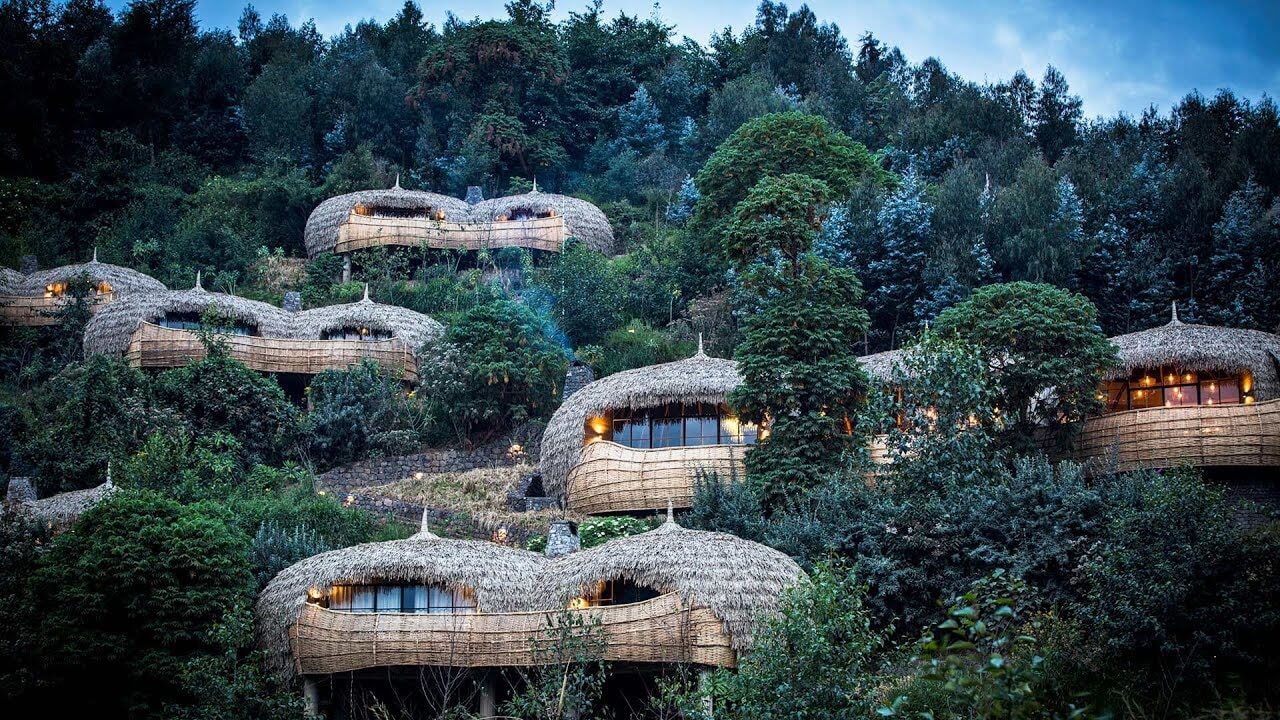
Best Eco-Friendly Resorts for Sustainable Travel. Sustainable travel is no longer a niche trend—it has become a priority for travelers who want to explore the world while protecting it. Eco-friendly resorts are leading this shift by offering memorable experiences that minimize environmental impact, support local communities, and preserve natural ecosystems. These resorts prove that comfort, beauty, and responsible tourism can coexist.
In this comprehensive guide, you’ll discover what makes a resort truly eco-friendly, why sustainable resorts are worth choosing, and a curated selection of the best eco-friendly resorts around the world. You’ll also find practical tips and frequently asked questions to help you plan a greener, more meaningful vacation.
What Is an Eco-Friendly Resort?
Core Principles of Eco-Friendly Resorts
Eco-friendly resorts are accommodations designed to reduce negative environmental impact while contributing positively to local communities and ecosystems. Their approach usually focuses on conservation, responsible resource use, and cultural respect.
Key principles often include:
- Energy efficiency and renewable energy use
- Water conservation and waste reduction
- Sustainable architecture and materials
- Support for local economies and traditions
- Protection of wildlife and natural habitats
Certifications and Sustainability Standards
Many eco-resorts follow international sustainability standards or hold certifications that verify their practices. While certifications vary, they often assess energy use, waste management, labor practices, and community involvement.
Why Choose Eco-Friendly Resorts for Sustainable Travel?
Reduced Environmental Impact
Eco-friendly resorts are designed to minimize pollution, reduce carbon emissions, and protect fragile ecosystems such as coral reefs, rainforests, and coastal wetlands.
Support for Local Communities
Many sustainable resorts hire local staff, source food locally, and invest in community development projects such as schools, healthcare, or conservation programs.
Meaningful Travel Experiences
Staying at an eco-resort often includes opportunities to learn about local culture, wildlife, and conservation efforts—creating deeper and more memorable travel experiences.
Long-Term Preservation of Destinations
By supporting responsible tourism, eco-resorts help preserve destinations so future generations can enjoy them too.
How Eco-Friendly Resorts Operate
Sustainable Design and Architecture
Eco-resorts often use natural ventilation, solar orientation, green roofs, and locally sourced building materials. Many are designed to blend seamlessly into their surroundings rather than dominate them.
Energy and Water Conservation
Common practices include:
- Solar or wind energy systems
- Rainwater harvesting
- Low-flow showers and toilets
- Smart lighting and energy-efficient appliances
Waste Reduction and Recycling
Eco-resorts focus on reducing single-use plastics, composting organic waste, recycling materials, and encouraging guests to reuse towels and linens.
Wildlife and Habitat Protection
Responsible eco-resorts avoid disturbing wildlife, protect sensitive habitats, and often partner with conservation organizations.
Best Eco-Friendly Resorts Around the World
Soneva Fushi, Maldives
Located on a pristine private island, Soneva Fushi is a global leader in sustainable luxury. The resort operates with a “barefoot luxury” philosophy that emphasizes simplicity, comfort, and environmental responsibility.
Why It Stands Out
- Solar power and waste-to-wealth recycling programs
- Coral reef restoration initiatives
- Organic gardens supplying resort restaurants
- Minimal plastic use across the property
Soneva Fushi proves that high-end luxury and sustainability can go hand in hand.
Inkaterra Machu Picchu Pueblo Hotel, Peru
Nestled in the cloud forest near Machu Picchu, this eco-resort is a pioneer of sustainable tourism in South America.
Sustainability Highlights
- Extensive conservation and reforestation projects
- Wildlife protection for native species
- Local employment and cultural preservation
- Nature-focused guest experiences
Guests enjoy immersive rainforest surroundings while contributing to conservation efforts.
Six Senses Ninh Van Bay, Vietnam
Accessible only by boat, Six Senses Ninh Van Bay combines seclusion with sustainability in a stunning coastal setting.
Eco-Friendly Practices
- Natural ventilation and eco-conscious architecture
- On-site water filtration and recycling
- Organic gardens and sustainable dining
- Community support and education initiatives
The resort focuses on wellness, nature, and mindful living.
Whitepod Eco-Luxury Hotel, Switzerland
Set in the Swiss Alps, Whitepod offers geodesic pod accommodations designed to minimize environmental impact while maximizing comfort.
What Makes It Unique
- Pods designed for minimal land disruption
- Renewable energy use and low-impact infrastructure
- Year-round eco-activities like hiking and snowshoeing
- Strong focus on environmental education
Whitepod demonstrates that eco-tourism can thrive even in cold climates.
Lapa Rios Eco Lodge, Costa Rica
Located within a private nature reserve on the Osa Peninsula, Lapa Rios is a benchmark for rainforest conservation.
Key Eco Features
- Protection of primary and secondary rainforest
- Solar power and rainwater collection
- Local employment and community involvement
- Guided wildlife and nature tours
Guests experience biodiversity firsthand while supporting conservation.
Fogo Island Inn, Canada
Perched on the rugged coastline of Newfoundland, Fogo Island Inn blends sustainability with bold architectural design.
Sustainability Focus
- Locally sourced materials and craftsmanship
- Profits reinvested into community development
- Seasonal, locally sourced cuisine
- Cultural preservation and storytelling
This resort is a powerful example of tourism as a tool for social sustainability.
Jean-Michel Cousteau Resort, Fiji
This family-friendly eco-resort is deeply committed to marine conservation and community engagement.
Environmental Initiatives
- Coral reef protection programs
- Marine education for guests and children
- Sustainable fishing practices
- Support for local villages
It’s an excellent choice for families seeking eco-conscious travel.
Chumbe Island Coral Park, Tanzania
Chumbe Island is a fully protected marine sanctuary and eco-lodge near Zanzibar.
Why It’s Exceptional
- Solar energy and rainwater systems
- Zero-waste philosophy
- Coral reef and marine life conservation
- Strict limits on guest numbers
This resort prioritizes conservation above all else.
Best Eco-Friendly Resorts for Different Travelers
Eco-Resorts for Couples
Couples often enjoy eco-resorts offering secluded villas, nature-focused spa treatments, and intimate dining experiences. Many sustainable resorts specialize in privacy and romance without environmental compromise.
Family-Friendly Eco-Resorts
Eco-resorts for families focus on education, nature exploration, and hands-on activities that teach children about sustainability and wildlife conservation.
Eco-Resorts for Adventure Travelers
Adventure-focused eco-resorts offer hiking, diving, snorkeling, wildlife tracking, and cultural excursions while maintaining strict environmental standards.
How to Choose the Right Eco-Friendly Resort
Research Sustainability Claims
Not all resorts marketing themselves as “green” follow meaningful practices. Look for transparency about energy use, waste management, and community involvement.
Consider Location and Ecosystem
Choose a resort that actively protects the environment it operates in, whether that’s a rainforest, coral reef, desert, or mountain region.
Balance Comfort and Responsibility
Eco-friendly does not mean sacrificing comfort. Many eco-resorts offer high levels of luxury while remaining environmentally responsible.
Read Guest Reviews
Reviews often provide insight into whether a resort’s sustainability efforts are genuine or superficial.
Tips for Being a Responsible Guest at Eco-Resorts
Respect Local Guidelines
Follow resort guidelines for water use, wildlife interaction, and waste disposal.
Reduce Personal Waste
Bring reusable water bottles, bags, and toiletries to minimize plastic use.
Support Local Businesses
Buy locally made products and participate in community-based tours or experiences.
Learn and Engage
Take part in educational programs, conservation talks, or guided nature walks offered by the resort.
Common Misconceptions About Eco-Friendly Resorts
Eco-Friendly Means Basic or Uncomfortable
Many eco-resorts offer luxurious accommodations, fine dining, and world-class service while remaining environmentally responsible.
Sustainable Resorts Are Always Expensive
While some eco-resorts are premium, many offer mid-range or affordable options. Long-term value often comes from meaningful experiences rather than excess amenities.
Eco-Resorts Don’t Offer Activities
On the contrary, eco-resorts often provide rich activity programs focused on nature, culture, and adventure.
Frequently Asked Questions About Eco-Friendly Resorts
What makes a resort truly eco-friendly?
A truly eco-friendly resort actively reduces environmental impact, supports local communities, conserves resources, and protects natural habitats through measurable actions.
Are eco-friendly resorts suitable for luxury travelers?
Yes. Many eco-resorts combine sustainability with high-end accommodations, gourmet dining, and personalized service.
Do eco-resorts cost more than traditional resorts?
Not always. Prices vary widely, and eco-resorts often provide better long-term value through inclusive experiences and meaningful travel.
How can I verify a resort’s sustainability claims?
Look for transparency in sustainability reporting, third-party certifications, and detailed explanations of eco-practices on the resort’s website.
Are eco-resorts good for families?
Yes. Many eco-resorts offer educational programs, nature activities, and family-friendly accommodations that appeal to travelers of all ages.
Do eco-resorts limit modern comforts?
Most eco-resorts balance sustainability with comfort. While some may reduce unnecessary luxuries, they often focus on quality, design, and experience rather than excess.
Can eco-friendly resorts help local communities?
Absolutely. Many invest in local employment, education, healthcare, and infrastructure, making tourism a positive force for development.
Final Thoughts
Eco-friendly resorts represent the future of travel—one where exploration, comfort, and responsibility exist in harmony. By choosing sustainable accommodations, travelers can reduce their environmental footprint while enjoying richer, more authentic experiences.
From tropical islands and rainforests to alpine landscapes and coastal sanctuaries, eco-resorts around the world are redefining what it means to travel well. They prove that protecting the planet does not require sacrificing enjoyment—in fact, it often enhances it.
If you’re looking to travel with purpose, connect with nature, and support destinations that value conservation and community, eco-friendly resorts are absolutely worth considering. Sustainable travel isn’t just a choice—it’s an opportunity to make every journey count.