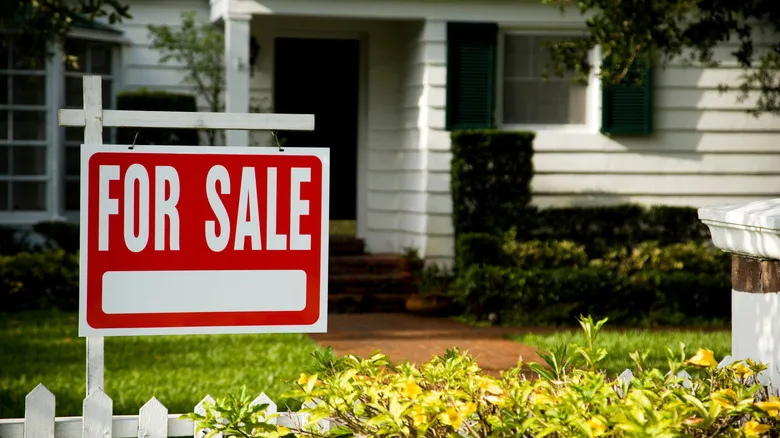
How to Increase Your Home’s Value Before Selling. Selling a home is one of the biggest financial moves most people ever make. The good news? You often don’t need a full renovation or massive budget to significantly increase your home’s value before putting it on the market. Strategic upgrades, smart repairs, and thoughtful presentation can help you attract more buyers, sell faster, and potentially earn thousands more on your final sale price.
This detailed guide walks you through proven, practical ways to increase your home’s value before selling, with real-world examples and a helpful FAQ section at the end.
Why Increasing Home Value Before Selling Matters
Before diving into specific improvements, it’s important to understand why pre-sale upgrades are worth the effort.
A well-prepared home:
- Attracts more buyers
- Generates stronger offers
- Reduces time on the market
- Minimizes buyer negotiations
- Creates emotional appeal that drives higher bids
Buyers often decide how much they’re willing to pay within minutes of seeing a home. Small details can make a big financial difference.
Start With a Strategic Plan
Understand Your Local Market
Not all upgrades offer the same return in every market. Before spending money:
- Research recently sold homes in your neighborhood
- Compare features, condition, and sale prices
- Identify what buyers expect at your price point
For example, adding luxury finishes to a modest neighborhood may not yield a strong return, while basic updates could be essential.
Set a Realistic Budget
Decide upfront how much you’re willing to invest. Focus on improvements with the highest return on investment (ROI) rather than personal preferences.
A good rule of thumb: spend where buyers notice, not where they rarely look.
Boost Curb Appeal for a Strong First Impression
Refresh the Exterior
Curb appeal is one of the most cost-effective ways to increase home value.
Simple upgrades include:
- Power washing siding, walkways, and driveways
- Repainting or replacing the front door
- Updating house numbers and the mailbox
- Repairing fences and gates
Example: A fresh coat of paint on the front door in a modern color can instantly make a home feel newer and more welcoming.
Improve Landscaping
You don’t need a professional landscaper to make an impact.
- Trim bushes and trees
- Remove weeds
- Add fresh mulch
- Plant seasonal flowers near the entry
A clean, well-maintained yard signals that the home has been cared for.
Make High-Impact Interior Improvements
Repaint With Neutral Colors
Paint is one of the highest ROI improvements.
- Choose light, neutral shades
- Avoid bold or highly personalized colors
- Focus on high-traffic areas like living rooms, hallways, and kitchens
Neutral walls help buyers imagine their own furniture and lifestyle in the space.
Update Flooring Where It Counts
Worn or outdated flooring can turn buyers off quickly.
- Refinish hardwood floors if possible
- Replace stained carpets with neutral options
- Consider luxury vinyl plank for durability and modern appeal
Example: Replacing old carpet with vinyl plank flooring can make a home feel instantly updated without the cost of hardwood.
Modernize the Kitchen Without a Full Remodel
Focus on Visual Updates
Kitchens sell homes, but full remodels are expensive. Instead:
- Paint or refinish cabinets
- Replace cabinet hardware
- Install a modern backsplash
- Upgrade light fixtures
These changes can dramatically alter the look without major construction.
Upgrade Appliances Strategically
If appliances are outdated or mismatched, consider replacing them with energy-efficient models. Stainless steel remains popular and signals modern convenience.
Add Value Through Bathroom Improvements
Small Changes, Big Impact
Bathrooms are another key selling point.
- Replace old faucets and showerheads
- Install new mirrors
- Update lighting
- Re-grout tile or replace caulking
Example: Swapping a dated vanity light for a modern fixture can instantly elevate the space.
Improve Cleanliness and Functionality
Buyers notice details.
- Fix leaky faucets
- Ensure toilets flush properly
- Replace cracked tiles
- Improve ventilation if needed
A spotless, functional bathroom builds buyer confidence.
Increase Energy Efficiency
Highlight Cost-Saving Features
Energy efficiency is increasingly important to buyers.
- Install LED lighting
- Add weather stripping to doors and windows
- Upgrade insulation where possible
- Service HVAC systems
Even small improvements can be marketed as long-term savings.
Consider Smart Home Upgrades
Affordable smart features can add perceived value:
- Smart thermostats
- Smart locks
- Video doorbells
These upgrades appeal to modern buyers and differentiate your home from similar listings.
Maximize Space and Functionality
Declutter and Depersonalize
Clutter makes spaces feel smaller.
- Remove excess furniture
- Clear countertops
- Pack away personal items and photos
This allows buyers to focus on the home, not your belongings.
Stage Key Rooms
Staging helps buyers visualize how spaces are used.
- Arrange furniture to highlight the flow
- Use mirrors to enhance light
- Add subtle decor like plants or neutral artwork
Example: Proper staging can make a small living room feel larger and more inviting.
Address Repairs and Maintenance
Fix What’s Broken
Unresolved issues can scare buyers or lead to lower offers.
- Repair doors and windows
- Fix cracks in walls or ceilings
- Replace broken fixtures
- Address water damage immediately
Preemptive repairs reduce inspection surprises.
Take Care of Minor Details
Small issues add up in a buyer’s mind.
- Squeaky doors
- Loose handles
- Burned-out light bulbs
- Stained grout
These details signal neglect, even if the home is structurally sound.
Improve Lighting Throughout the Home
Maximize Natural Light
Bright homes feel larger and more welcoming.
- Clean windows
- Replace heavy curtains with light coverings
- Trim exterior landscaping blocking sunlight
Upgrade Artificial Lighting
Add or replace fixtures to brighten dark areas.
- Install warm, modern bulbs
- Use layered lighting with lamps and overhead fixtures
- Update outdated ceiling fans
Good lighting improves mood and perceived space.
Price It Right After Improvements
Avoid Overpricing
Even a beautifully updated home won’t sell if priced too high. Work with a real estate professional or conduct a comparative market analysis to set a competitive price.
Market Improvements Effectively
Make sure your listing highlights upgrades:
- New paint
- Updated kitchen or bathrooms
- Energy-efficient features
- Recent repairs
Buyers want to know what sets your home apart.
Common Mistakes to Avoid
Over-Improving for the Neighborhood
Luxury upgrades won’t always yield returns if surrounding homes are more modest.
Ignoring Buyer Preferences
Personal taste doesn’t always match market demand. Stick to widely appealing styles.
Skipping Professional Advice
A pre-sale consultation with a real estate agent can help prioritize the most valuable upgrades.
Frequently Asked Questions
How much should I spend on home improvements before selling?
There’s no universal number, but many sellers invest 1–3% of the home’s value in pre-sale improvements. Focus on high-ROI updates rather than major renovations unless necessary.
Which home improvements add the most value?
Paint, curb appeal, kitchen updates, bathroom improvements, and flooring upgrades consistently offer strong returns and buyer appeal.
Is staging really worth it?
Yes. Staged homes often sell faster and for more money because buyers can better visualize living in the space.
Should I renovate my kitchen before selling?
A full renovation isn’t always necessary. Minor updates like painting cabinets, replacing hardware, and improving lighting often deliver better ROI than a complete remodel.
Do smart home features increase value?
They may not drastically increase appraised value, but they improve marketability and buyer interest, which can lead to better offers.
What repairs should never be skipped?
Structural issues, water damage, roof problems, electrical concerns, and plumbing leaks should always be addressed before listing.
Final Thoughts
Increasing your home’s value before selling doesn’t require extreme renovations or overspending. The key is to focus on what buyers notice most: first impressions, cleanliness, functionality, and a modern appeal. By making smart, targeted improvements and presenting your home in its best possible light, you can attract more buyers, reduce time on the market, and maximize your final sale price.
A well-prepared home doesn’t just sell—it stands out.