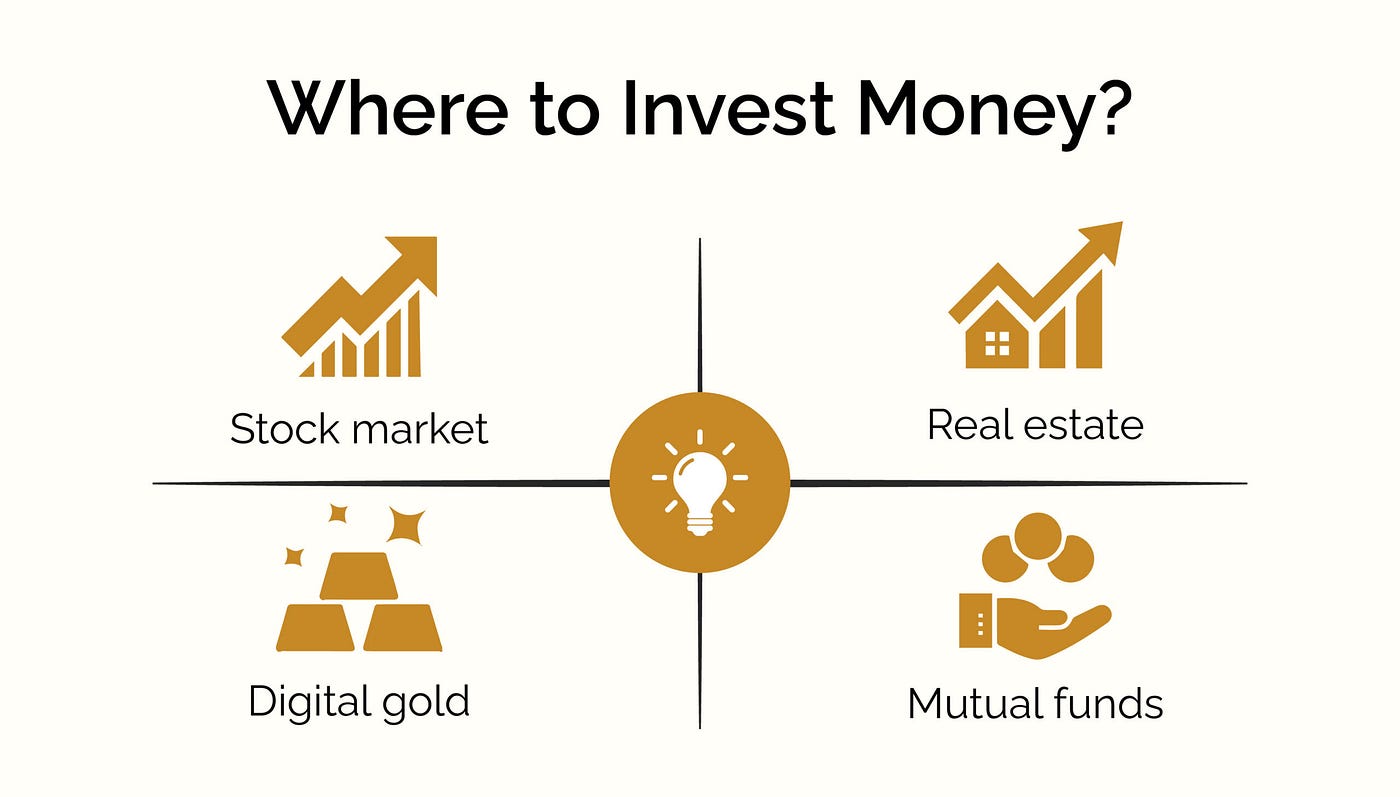
🏦 How to Invest in Stocks for Beginners: A Complete Step-by-Step Guide
Investing in the stock market is one of the most powerful ways to build long-term wealth, beat inflation, and secure your financial future. But if you’re just starting, the idea of putting your hard-earned money into stocks can feel overwhelming. With thousands of companies, technical jargon, and market volatility, where do you even begin?
In this comprehensive beginner’s guide, you’ll learn exactly how to invest in stocks for beginners, with actionable steps, beginner-friendly strategies, and key concepts to get started confidently in 2026.

1. 💡 What Is the Stock Market?
The stock market is a platform where investors buy and sell shares (also called stocks) of publicly traded companies. When you buy a stock, you’re essentially buying a small piece of that company—known as a “share of ownership.”
Key Markets:
- NYSE (New York Stock Exchange)
- NASDAQ
- London Stock Exchange (LSE)
- Tokyo Stock Exchange (TSE)
These exchanges connect buyers and sellers from around the world.
2. 💰 Why Should You Invest in Stocks?
Investing in stocks provides several key benefits:
- Wealth Growth: Historically, the stock market has delivered an average annual return of 7–10% (after inflation).
- Compound Returns: Reinvested dividends and capital gains grow exponentially over time.
- Ownership in Companies: You benefit from company profits, dividends, and stock price growth.
- Liquidity: Stocks are easily bought and sold compared to other assets, such as real estate.
Example:
If you had invested $1,000 in the S&P 500 in 2000, it would be worth over $4,000 by 2026.
3. 🛠️ How Does Stock Investing Work?
When you buy shares of a company:
- You’re entitled to a portion of its earnings (dividends).
- You benefit if the stock price rises.
- You can sell your shares at any time in the open market.
Companies issue shares to raise capital for growth, while investors trade those shares based on market demand and the company’s performance.
4. 📈 Types of Stocks You Can Invest In
Understanding stock categories helps you diversify and reduce risk.
a) Based on Market Capitalization:
- Large-cap: Apple, Amazon, Microsoft
- Mid-cap: Zoom, DocuSign
- Small-cap: Emerging or niche companies
b) Based on Growth Potential:
- Growth Stocks: High potential, low dividends (e.g., Tesla)
- Value Stocks: Undervalued but stable (e.g., Coca-Cola)
- Dividend Stocks: Pay regular income (e.g., AT&T)
c) Based on Region:
- Domestic Stocks: Based in your home country
- International Stocks: Based abroad, offering global exposure
5. 🧾 Preparing to Invest: What You Need First
Before you start buying stocks, you need a few basics in place:
✅ A. Emergency Fund
- Ensure you have 3–6 months of expenses saved up before investing.
✅ B. Pay Off High-Interest Debt
- Credit card debt often has 15%+ interest. Pay that off first.
✅ C. Set Clear Financial Goals
Ask yourself:
- Are you investing for retirement?
- A home purchase in 10 years?
- Passive income?
6. 🪜 Step-by-Step Guide: How to Start Investing in Stocks (2026)
Step 1: Choose Your Investing Style
- Active Investor: Picks individual stocks, follows markets
- Passive Investor: Uses index funds or ETFs
- Robo-Advisor: Automated portfolio based on your goals
🚀 Tip: Beginners often benefit most from passive investing.
Step 2: Open a Brokerage Account
You’ll need a broker to buy and sell stocks.
Top Online Brokers (2026):
- Fidelity
- Charles Schwab
- Robinhood
- Webull
- eToro
- Interactive Brokers
Choose a broker with zero commissions, an easy interface, and robust educational tools.
Step 3: Fund Your Account
Transfer money from your bank. Most brokers accept:
- ACH transfers
- Debit cards
- Wire transfers
Minimum deposits range from $0 to $500, depending on the platform.
Step 4: Research Stocks or ETFs
Use tools like:
- Yahoo Finance
- Morningstar
- Google Finance
- Motley Fool
Look at:
- Company earnings (EPS)
- Growth rate
- Industry trends
- P/E ratio
- Dividends
Step 5: Place Your First Order
You can place different types of stock orders:
- Market Order: Buy at current price (fastest)
- Limit Order: Set a specific price to buy/sell
- Stop-Loss Order: Auto-sell if price drops too much
Step 6: Monitor and Adjust
- Track your portfolio monthly
- Avoid obsessing over daily fluctuations
- Rebalance yearly to match your goals

7. 📊 Best Investment Strategies for Beginners (how to invest in stocks for beginners)
🎯 1. Dollar-Cost Averaging (DCA)
- Invest a fixed amount monthly, regardless of market price. Reduces risk and builds consistency.
🎯 2. Buy and Hold
- Choose high-quality stocks or index funds and hold them for 5–20 years.
🎯 3. Index Fund Investing
Buy ETFs like:
- S&P 500 (VOO, SPY)
- Total Stock Market (VTI)
- International Stocks (VXUS)
🔑 These funds offer instant diversification.
🎯 4. Dividend Investing
- Choose stocks that pay regular income, ideal for passive cash flow.
8. ⚠️ Common Mistakes to Avoid
- Trying to time the market
- Following hype or social media trends
- Not diversifying your portfolio
- Investing money you need in the short term
- Ignoring fees or hidden costs
🚫 Example: Buying meme stocks like GameStop or AMC without research led many beginners to massive losses.
9. 📘 Stock Market Terms Every Beginner Should Know
| Term | Definition |
|---|---|
| Stock | Share of ownership in a company |
| Dividend | Profit paid to shareholders |
| Bull Market | The market is rising |
| Bear Market | The market is falling |
| Portfolio | Your collection of stocks |
| ETF | Exchange-Traded Fund (bundle of stocks) |
| P/E Ratio | Price-to-earnings ratio |
| Blue-Chip Stock | Large, stable companies |
| IPO | Initial Public Offering |
10. 🙋 Frequently Asked Questions (how to invest in stocks for beginners)
Q1: How much money do I need to start investing in stocks?
You can start with as little as $10–$100. Many brokers now allow fractional shares.
Q2: Is investing in stocks risky?
Yes, but long-term investors typically outperform inflation and savings accounts. Diversification reduces risk.
Q3: Can I lose all my money in the stock market?
If you invest in a single company and it goes bankrupt—yes. But a diversified portfolio rarely results in total loss.
Q4: Should I hire a financial advisor?
If you’re unsure where to start, a certified fiduciary advisor or a robo-advisor can help tailor your plan.
📌 Final Thoughts (how to invest in stocks for beginners)
Learning how to invest in stocks is one of the best decisions you can make for your financial future. By following a disciplined, research-backed approach, even beginners can grow wealth over time without needing to become market experts.
Remember:
- Start small, but start early.
- Focus on long-term goals, not quick wins.
- Automate your investments where possible.
“Time in the market beats timing the market.” – Warren Buffett
Now that you know how to invest in stocks for beginners, the only thing left to do is… get started!