Kotlin Programming Language: The Complete Guide
In the world of modern software development, Kotlin has emerged as one of the most popular, efficient, and versatile programming languages. Since Google officially declared it a first-class language for Android development in 2017, Kotlin’s popularity has soared — but its use extends far beyond mobile apps. Today, companies and developers across the globe use Kotlin to build server-side applications, desktop software, web frontends, and even cross-platform apps thanks to Kotlin Multiplatform.
In this in-depth guide, we’ll explore what makes Kotlin special, how it compares to other languages, why it has become a favorite among developers, and what the future holds for Kotlin in 2026 and beyond.
What Is Kotlin?
Kotlin is a modern, statically typed, cross-platform programming language developed by JetBrains, the creators of IntelliJ IDEA. Its first stable release came out in 2016, but its development started back in 2010. Kotlin was designed to be concise, expressive, and safe, addressing many of the shortcomings developers experienced with Java.
Kotlin runs on the Java Virtual Machine (JVM) and is fully interoperable with Java, which means developers can gradually migrate legacy Java codebases to Kotlin without starting from scratch.

Why Kotlin Became Popular
1. Concise
Kotlin reduces boilerplate code dramatically compared to Java. Common tasks like creating data classes, getters/setters, and equals/hashCode methods are generated automatically.
This single line in Kotlin replaces dozens of lines in Java.
2. Null Safety
Kotlin introduced null safety as a core language feature to prevent the dreaded NullPointerException (NPE) — known among developers as “The Billion Dollar Mistake.”
In Kotlin, nullable and non-nullable types are explicit:
3. Interoperability with Java
Kotlin can call Java code seamlessly, and Java can call Kotlin code. This means teams with massive Java codebases don’t have to rewrite everything at once.
4. Coroutines for Asynchronous Programming
Kotlin’s coroutines provide a powerful and easy way to write asynchronous, non-blocking code without the complexity of callbacks or threads:
5. Official Support by Google
In 2017, Google announced Kotlin as an official language for Android development. In 2019, they declared it the preferred language, making Kotlin the primary choice for new Android apps.
Key Features of Kotlin
- Smart casts — no need for manual casting after type checks
- Extension functions — add methods to existing classes without inheritance
- Type inference — less verbosity without sacrificing static typing
- Sealed classes — great for modeling state machines and limited hierarchies
- Lambda expressions and functional programming support
- Multiplatform support — share code between Android, iOS, and more
Where Is Kotlin Used Today?
1. Android App Development
Over 80% of Android apps created today use Kotlin either partially or entirely. Popular apps like Pinterest, Trello, and Evernote rely on Kotlin.
2. Server-Side Applications
Frameworks like Ktor (built by JetBrains) and Spring Boot with Kotlin support have made it a great choice for backend development.
Example use cases:
- REST APIs
- Microservices
- Cloud-native apps
3. Web Development
With Kotlin/JS, developers can write Kotlin code that compiles to JavaScript, enabling modern web applications with shared business logic.
4. Desktop Applications
Using Kotlin/Native or JavaFX, developers build cross-platform desktop apps with native performance.
5. Cross-Platform Mobile Apps
Kotlin Multiplatform Mobile (KMM) allows developers to share business logic between Android and iOS while keeping separate UI layers. Companies like VMware, Netflix, and Philips use KMM in production.
How Does Kotlin Compare with Other Languages?
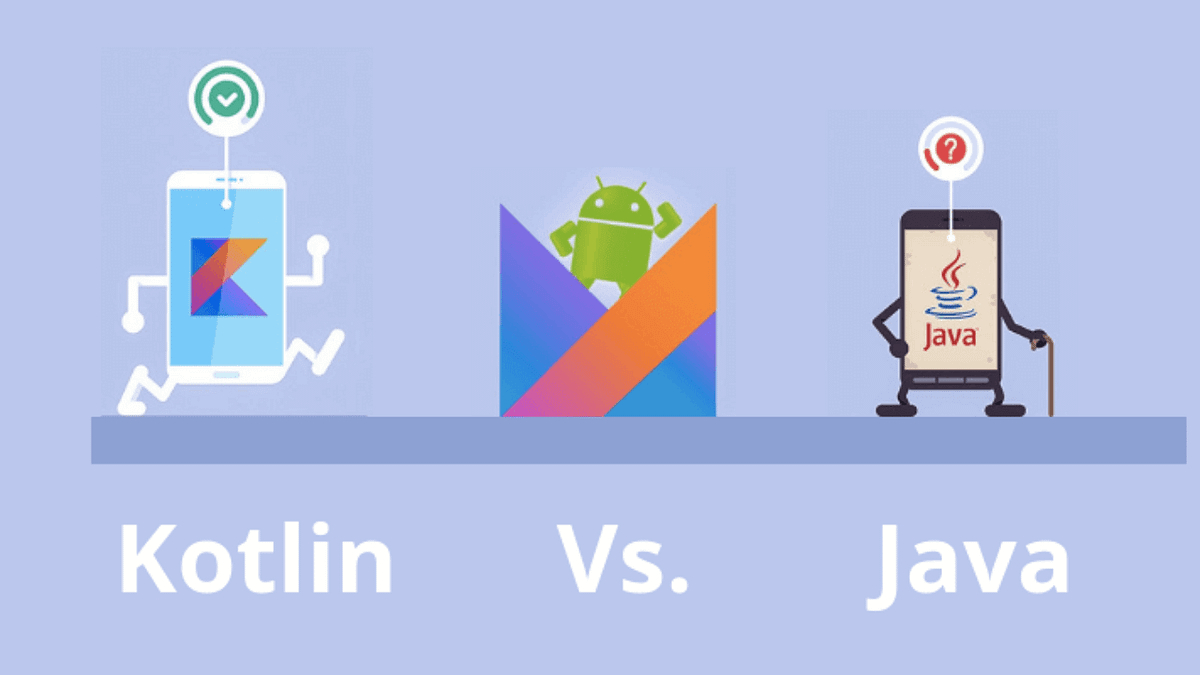
Kotlin vs. Java
| Feature | Kotlin | Java |
|---|
| Null Safety | Built-in | Optional, with annotations |
| Conciseness | Less boilerplate | Verbose |
| Extension Functions | Yes | No |
| Coroutines | Built-in | Need external libraries |
| Android Support | Preferred language | Legacy language |
Kotlin vs. Swift
With Kotlin Multiplatform, Kotlin competes directly with Swift for cross-platform projects. Both languages are modern, but Kotlin’s cross-platform abilities can reduce costs for startups or enterprises building apps for Android and iOS.
Kotlin vs. Dart (Flutter)
Flutter and Dart are popular for building cross-platform apps with a single UI codebase. However, unlike Flutter’s single UI framework, Kotlin Multiplatform allows native UIs per platform, giving a more “native” look and feel but requiring more platform-specific work.
The Kotlin Ecosystem in 2026
The Kotlin ecosystem has expanded dramatically, especially in the last three years. Here’s what’s new and exciting in 2026:
1. Kotlin 2.0
Released in late 2024, Kotlin 2.0 brings:
- Improved performance of the Kotlin compiler (K2)
- Faster build times
- Better error diagnostics
- New language features like context receivers
2. Kotlin Multiplatform 1.5
KMM has matured significantly, with stable APIs for common use cases, better tooling in Android Studio, and official support for integrating with SwiftUI on iOS.
3. Kotlin for Data Science
The KotlinDL library has made Kotlin a competitive choice in machine learning. Thanks to interoperability with TensorFlow, it’s now possible to build end-to-end ML apps using Kotlin.
4. Enhanced Tooling
The Kotlin Plugin for IntelliJ IDEA and Android Studio has improved code completion, linting, and refactoring tools. JetBrains Space supports Kotlin-first projects with CI/CD pipelines.
Advantages of Using Kotlin in 2026
- Productivity: Write less code, avoid bugs, and spend more time on features.
- Modern Language Design: Embraces functional and object-oriented paradigms.
- Community & Support: A massive open-source community, official documentation, and thousands of Kotlin libraries on Maven Central.
- Career Opportunities: Demand for Kotlin developers has never been higher, with salaries for experienced Kotlin engineers averaging $110,000–$140,000/year globally.
- Open Source: Licensed under Apache 2.0, allowing both individual developers and companies to use it freely.
When Should You Choose Kotlin?
✅ You’re building a new Android app
✅ You have a legacy Java project and want to modernize it gradually
✅ You want to share code between Android and iOS without sacrificing native UI
✅ You prefer a concise, readable, modern language
✅ You plan to integrate with JVM libraries
✅ You want to explore serverless apps with Kotlin and frameworks like Ktor or Spring Boot
Common Challenges of Kotlin (and How to Overcome Them)
Despite its strengths, developers may face these challenges:
Steep Learning Curve for Java-Only Developers: Kotlin syntax, especially functional aspects like lambdas, may seem unfamiliar at first.
- Solution: Leverage resources like Kotlin Koans, JetBrains Academy, and documentation.
- Kotlin/Native Limitations: Compared to mature JVM support, some features in Kotlin/Native are experimental or unstable.
- Solution: Stay updated with JetBrains announcements and only use stable releases in production.
- Build Time Overhead: Large multiplatform projects can experience slower builds.
- Solution: Upgrade to Kotlin 2.0 with the new K2 compiler for faster compilation.
Future of Kotlin: What’s Next?
The future looks bright for Kotlin. Here’s what industry experts expect by 2030:
- Full-stack Kotlin: Write backend, frontend, and mobile code in a single language.
- Advanced Multiplatform: Support for more targets beyond Android/iOS, like embedded systems and wearables.
- AI-powered Tooling: JetBrains is investing in AI to help Kotlin developers write better code faster.
- Deeper Cloud Integration: Serverless Kotlin apps running seamlessly on platforms like AWS Lambda and Google Cloud Functions.
- Growing Open Source Community: Continued contributions to libraries and frameworks to rival mature Java ecosystems.
How to Start Learning Kotlin in 2026
If you’re ready to get hands-on, here’s how you can start:
✅ Install IntelliJ IDEA Community Edition (free) or Android Studio
✅ Visit the official Kotlin documentation
✅ Complete Kotlin Koans — a set of interactive coding exercises
✅ Join the Kotlin Slack community (over 60,000 members)
✅ Follow JetBrains’ YouTube tutorials
✅ Try building a simple app with Ktor or an Android calculator app
Conclusion
Kotlin has grown from a modern alternative to Java into a powerhouse language for the 2020s — powering Android apps, web services, and cross-platform solutions. Its combination of safety, expressiveness, and performance has made it a favorite among developers worldwide.
As we look toward the future, Kotlin’s versatility, strong community, and ongoing investment from JetBrains and Google ensure it will remain at the forefront of programming languages for many years to come.