Everything You Need to Know About the Python Programming Language
Introduction
In the world of programming, Python has emerged as one of the most popular and versatile languages. Whether you’re a seasoned software engineer or a beginner just dipping your toes into the coding world, Python is likely to be on your radar. With its clean syntax, readability, and robust functionality, Python offers a unique blend of simplicity and power that appeals to a broad range of developers.
But what exactly makes Python so special? In this article, we’ll explore the features, advantages, uses, and how Python stands out in the programming ecosystem.
What is Python?
Python is a high-level, interpreted programming language that emphasizes code readability and developer productivity. Created by Guido van Rossum and first released in 1991, Python was designed to be simple and easy to understand. Over the years, it has evolved into one of the most widely used programming languages across various industries, from web development to data science.
Unlike lower-level programming languages such as C or C++, Python abstracts away many of the complexities involved in software development, making it an ideal language for both beginners and experienced programmers alike.
Key Features of Python
1. Simple and Readable Syntax
One of Python’s strongest selling points is its syntax, which closely resembles natural language. Unlike other languages that use complex punctuation and symbols, Python’s syntax is clean and intuitive. For example, instead of using curly braces {} to define code blocks, Python uses indentation to define code blocks. This feature not only makes Python easy to read but also enforces clean and well-structured code.
2. Interpreted Language
Python is an interpreted language, meaning the code is executed line by line. This feature allows for easier debugging and testing, as you can run a small piece of code without having to compile an entire program. It also makes Python ideal for rapid prototyping and experimentation.
3. Cross-Platform Compatibility
Python is platform-independent, which means you can run Python code on various operating systems without modification. Whether you are using Windows, macOS, or Linux, Python will run seamlessly, making it a great choice for projects that require cross-platform compatibility.
4. Extensive Standard Library
Python comes with a vast standard library that provides pre-built modules for performing common programming tasks. These libraries cover a wide range of functionalities, from handling file I/O and interacting with databases to performing complex mathematical computations. With Python’s standard library, developers can focus on writing their application logic rather than reinventing the wheel.
5. Support for Multiple Programming Paradigms
Python supports various programming paradigms, including procedural, object-oriented, and functional programming. This flexibility allows developers to choose the best approach based on the requirements of the project.
6. Dynamic Typing
In Python, variable types are determined at runtime rather than at compile-time. This dynamic typing allows for more flexibility in code but requires careful testing to avoid type-related errors.
7. Garbage Collection
Python automatically handles memory management through its built-in garbage collector. This means developers don’t have to manually allocate or deallocate memory, which reduces the risk of memory leaks and simplifies the coding process.
Why Python is So Popular
1. Easy to Learn
Python is often recommended as a beginner-friendly language because of its clear syntax and minimalistic design. Developers new to programming can quickly pick up Python and begin writing meaningful code in a short amount of time.
2. Vast Community Support
Python has a massive and active community that continuously contributes to its development. There are countless resources available, including tutorials, forums, and libraries, making it easier for newcomers to get started and for experienced developers to find solutions to problems.
3. Versatility
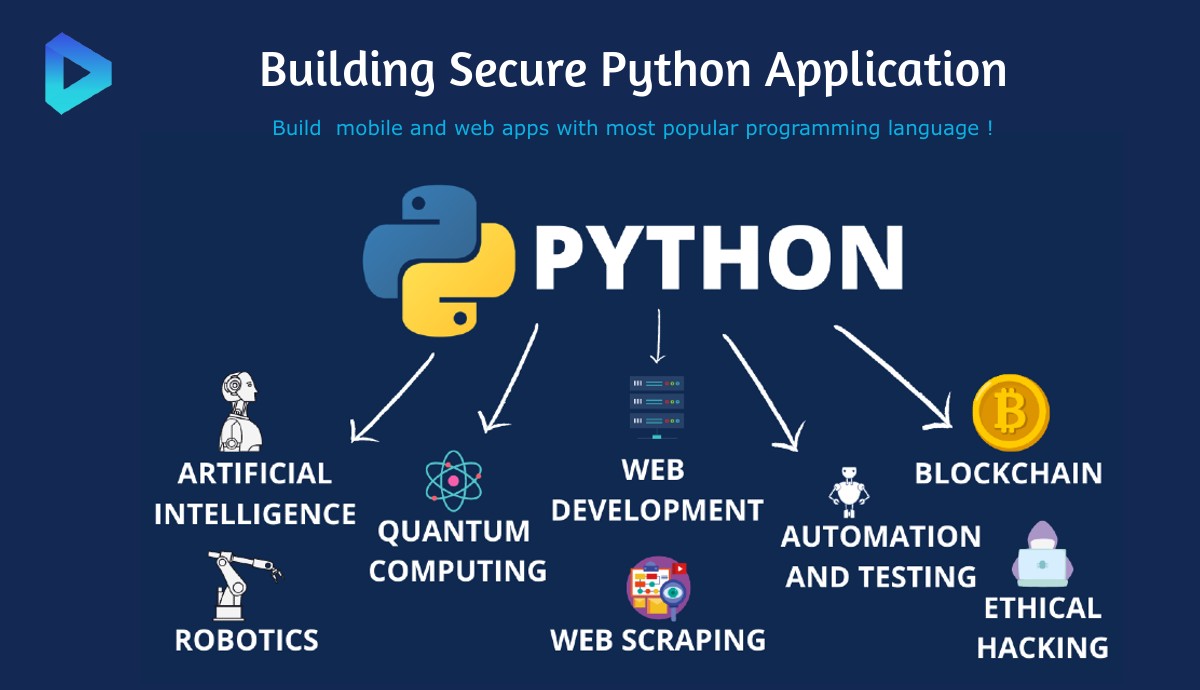
Python’s versatility makes it useful in a wide range of applications. From web development and data science to artificial intelligence and machine learning, Python’s adaptability makes it one of the most sought-after languages across various industries.
4. Large Ecosystem of Libraries and Frameworks
Python has an extensive ecosystem of libraries and frameworks that make development faster and easier. For example:
- Django and Flask are popular web development frameworks.
- NumPy, Pandas, and Matplotlib are widely used in data science and data visualization.
- TensorFlow and PyTorch are often used for machine learning and deep learning projects.
- These libraries provide pre-built tools and functionalities, saving developers time and effort.
5. Corporate Backing
Major companies like Google, Facebook, Netflix, and Instagram rely heavily on Python for various tasks, including backend development, data analysis, and machine learning. The language’s support from big tech companies adds to its credibility and long-term viability.

Applications of Python
1. Web Development
Python has become a go-to language for building web applications. Frameworks like Django and Flask provide powerful tools to build robust, scalable, and secure websites. Python’s simple syntax and rapid development capabilities make it an excellent choice for web development, whether you’re creating a simple blog or a complex, data-driven platform.
2. Data Science and Analytics
Python is arguably the most popular language for data science, and for good reason. Libraries like Pandas and NumPy make data manipulation and analysis easy, while Matplotlib and Seaborn provide powerful tools for data visualization. For more advanced tasks, TensorFlow and Keras are used for machine learning and deep learning.
Python is also used extensively for data scraping and data processing tasks, making it an essential tool for anyone working with data.
3. Machine Learning and Artificial Intelligence
Python’s syntax and libraries make it a natural choice for machine learning and AI applications. With frameworks like Scikit-Learn, TensorFlow, and PyTorch, Python allows developers to build, train, and deploy machine learning models quickly and efficiently. It has become the industry standard for AI research and development.
4. Automation and Scripting
Python is widely used for automating repetitive tasks, such as system administration, web scraping, file processing, and more. The language’s simplicity makes it a great choice for writing quick scripts to automate workflows and reduce manual effort.
5. Game Development
While not as widely used as other languages like C++ or C#, Python can still be used for game development. Libraries such as Pygame provide tools for creating games with 2D graphics and sound. Python is an excellent choice for developing smaller, indie games or prototyping game concepts before moving to more complex languages.
6. Cybersecurity
Python has also gained popularity in the field of cybersecurity. Its powerful libraries for networking, file manipulation, and system administration make it an ideal choice for security experts to write tools for penetration testing, malware analysis, and other security tasks.
7. Desktop Application Development
Python’s Tkinter library makes it easy to develop desktop applications with graphical user interfaces (GUIs). While not as commonly used as other desktop application development languages, Python can still create simple, user-friendly applications with cross-platform compatibility.
Python vs Other Programming Languages
Python vs JavaScript
Both Python and JavaScript are popular, high-level programming languages, but they serve different purposes. JavaScript is primarily used for web development (especially on the front end), whereas Python is versatile and widely used for server-side programming, data analysis, machine learning, and more.
- Syntax: Python is known for its readable and clean syntax, while JavaScript can be more complex and has more syntactic quirks.
- Use Cases: JavaScript is mainly used for dynamic, interactive web content, while Python excels in backend development, data science, automation, and more.
Python vs Java
Java is a statically-typed, compiled language, while Python is dynamically typed and interpreted. While Java is often used for large-scale enterprise applications, Python is favored for its speed of development, simplicity, and versatility.
- Performance: Java generally offers better performance in terms of raw speed, but Python’s ease of use often outweighs this downside for many developers.
- Use Cases: Java is often preferred for Android development and large enterprise systems, while Python dominates in fields like data science, web development, and machine learning.
Python Libraries and Frameworks
Python’s rich ecosystem of libraries and frameworks is one of the reasons it has become so popular. Below are some of the most notable ones:
- Django and Flask (for web development)
- Pandas, NumPy, and SciPy (for data analysis and numerical computing)
- Matplotlib and Seaborn (for data visualization)
- TensorFlow and PyTorch (for machine learning and AI)
- BeautifulSoup and Scrapy (for web scraping)
Conclusion
Python is undoubtedly one of the most versatile and powerful programming languages available today. Its readability, ease of use, and broad range of applications have made it the language of choice for developers across the globe. Whether you’re looking to build a website, analyze data, or dive into machine learning, Python has the tools, libraries, and community support to help you succeed.
If you’re new to programming, Python is an excellent starting point, and if you’re already a developer, Python can become an indispensable tool in your development toolkit. With its consistent growth and widespread adoption, Python’s future in the programming world looks brighter than ever.