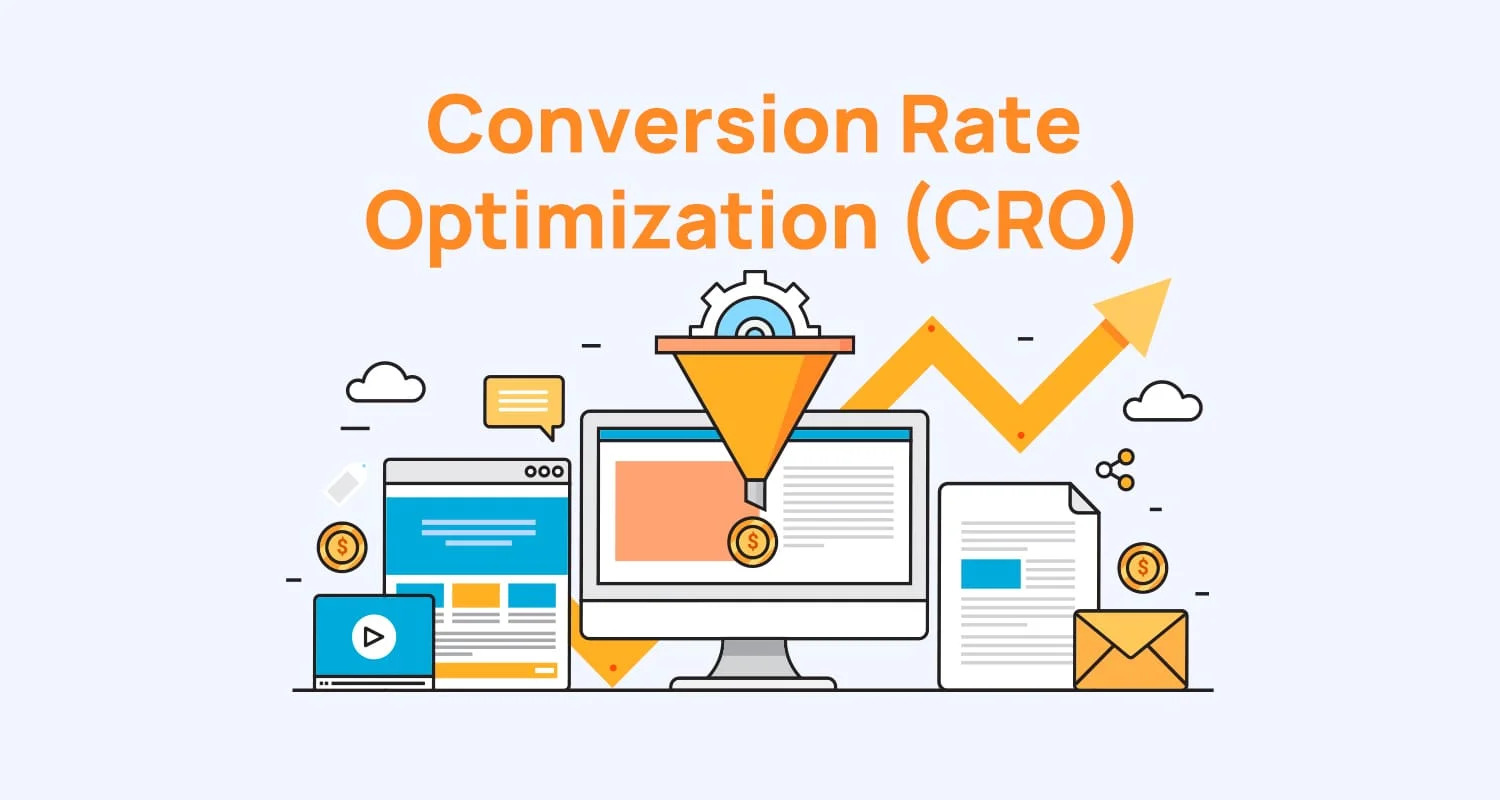
Conversion Rate Optimization Tips That Increase Sales. In today’s competitive digital landscape, attracting traffic to your website is only half the battle. The other half is converting that traffic into paying customers. This is where Conversion Rate Optimization (CRO) comes in. CRO focuses on improving the percentage of website visitors who take a desired action, whether it’s making a purchase, signing up for a newsletter, or downloading a resource.
In this detailed guide, we will explore conversion rate optimization tips that increase sales, provide real-world examples, and answer frequently asked questions to help businesses boost revenue and maximize ROI.
What Is Conversion Rate Optimization?
Conversion Rate Optimization is the systematic process of increasing the percentage of website visitors who complete a desired action. It involves understanding user behavior, analyzing data, testing variations, and making informed changes to improve results.
Conversion Rate Formula:
Conversion Rate = (Number of Conversions ÷ Total Visitors) × 100
Example:
If an online store has 10,000 visitors and 500 make a purchase, the conversion rate is:
(500 ÷ 10,000) × 100 = 5%
Why Conversion Rate Optimization Is Important
CRO is crucial because even small improvements can significantly impact revenue without increasing traffic or marketing spend.
Benefits of CRO
- Maximizes the value of existing traffic
- Improves ROI for advertising campaigns
- Enhances user experience and customer satisfaction
- Reduces customer acquisition costs
- Builds long-term growth for businesses
Example:
A SaaS company optimized its pricing page and increased free trial sign-ups by 30%, resulting in higher subscription revenue without spending more on ads.
Step 1: Analyze User Behavior
Understanding how visitors interact with your website is the foundation of CRO.
Tools to Analyze User Behavior
- Google Analytics for traffic and conversion tracking
- Hotjar or Crazy Egg for heatmaps and session recordings
- User surveys and feedback forms
What to Look For
- Pages with high drop-off rates
- Navigation bottlenecks
- Forms that users abandon
- Low-performing call-to-action (CTA) buttons
Example:
An e-commerce store used heatmaps to discover that users ignored the “Add to Cart” button on mobile devices due to poor placement. Moving the button improved conversions by 20%.
Step 2: Improve Website Load Speed
Website speed is a critical factor for conversions. Slow-loading pages frustrate visitors and increase bounce rates.
How to Improve Load Speed
- Compress images and use modern formats like WebP
- Use caching plugins and CDNs (Content Delivery Networks)
- Minimize JavaScript and CSS files
- Choose a reliable hosting provider
Example:
An online retailer reduced page load time from 6 seconds to 2 seconds, resulting in a 15% increase in completed purchases.
Step 3: Optimize Your Call-to-Action (CTA)
The CTA is one of the most important elements for converting visitors.
Tips for Effective CTAs
- Use action-oriented language (e.g., “Buy Now,” “Get Your Free Trial”)
- Make buttons stand out visually
- Place CTAs strategically above the fold and at the end of the content
- Test different colors, sizes, and wording
Example:
A SaaS company changed its CTA from “Submit” to “Start Free Trial,” resulting in a 25% increase in sign-ups.
Step 4: Simplify Forms
Long or complicated forms can reduce conversions.
Form Optimization Tips
- Ask for only essential information
- Use multi-step forms for complex data collection
- Include inline validation to prevent errors
- Enable autofill for faster completion
Example:
An insurance website reduced its quote form from 12 fields to 5 fields, increasing form submissions by 40%.
Step 5: Use Social Proof
Social proof builds trust and encourages conversions by showing that others value your product.
Examples of Social Proof
- Customer testimonials and reviews
- Case studies and success stories
- Trust badges and certifications
- Social media follower counts and endorsements
Example:
An online course provider added student testimonials and a 5-star review section. Conversion rates increased by 18% as prospective students felt more confident enrolling.
Step 6: Improve Website Design and User Experience
A clean, intuitive design helps visitors navigate your website and complete conversions.
Key Design Elements
- Clear navigation menus
- Consistent branding and typography
- Mobile-friendly responsive design
- Minimal distractions on key pages
Example:
A furniture retailer redesigned its product pages with a simplified layout, larger images, and clear pricing, increasing add-to-cart rates by 22%.
Step 7: Use A/B Testing
A/B testing allows you to test different variations of a page or element to see which performs better.
A/B Testing Tips
- Test one element at a time (headline, CTA, image, layout)
- Use a sufficient sample size for statistical significance
- Track conversions and engagement metrics
- Iterate based on results
Example:
A travel website tested two booking page layouts. The version with a simplified form and highlighted price options increased bookings by 12%.
Step 8: Optimize Landing Pages
Landing pages are critical for converting paid traffic, email campaigns, and promotions.
Landing Page Optimization Tips
- Align content with ad or email messaging
- Include a single, clear CTA
- Use persuasive headlines and subheadings
- Add visuals or videos to explain the benefits
- Minimize navigation to reduce distractions
Example:
A webinar registration landing page was optimized by adding a countdown timer and concise benefits. Registration conversions improved by 35%.
Step 9: Leverage Retargeting
Retargeting campaigns target visitors who didn’t convert on their first visit.
Retargeting Strategies
- Use Google Ads or Facebook Ads to show personalized content
- Offer special discounts or incentives
- Segment audiences based on behavior (abandoned carts, product views)
Example:
An e-commerce store ran a retargeting campaign offering 10% off to users who abandoned carts. Sales recovered 20% of previously lost revenue.
Step 10: Use Persuasive Copywriting
Compelling copy can influence visitors’ decisions and boost conversions.
Copywriting Tips
- Focus on benefits, not just features
- Use clear, concise language
- Include urgency or scarcity (limited-time offers)
- Address objections proactively
Example:
A software company updated its product page copy to highlight time-saving benefits instead of technical specs, resulting in a 15% increase in trial sign-ups.
Step 11: Add Live Chat and Customer Support
Live chat provides real-time assistance to hesitant visitors, increasing conversion likelihood.
Live Chat Tips
- Place chat widgets on high-traffic pages
- Offer proactive greetings or help
- Train agents to provide personalized support
Example:
An electronics store added live chat for technical queries. Many users received instant answers, increasing completed purchases by 10%.
Step 12: Reduce Friction in the Checkout Process
For e-commerce sites, a smooth checkout process is essential to minimize cart abandonment.
Checkout Optimization Tips
- Offer guest checkout options
- Minimize the number of steps
- Display multiple payment methods
- Include trust badges and secure payment symbols
Example:
A fashion retailer simplified checkout from 5 pages to 2 and added PayPal as a payment option, reducing cart abandonment by 25%.
Step 13: Personalize User Experience
Personalization increases engagement and conversions by showing relevant content or products.
Personalization Strategies
- Recommend products based on browsing history
- Show location-based offers
- Use dynamic content for email and web campaigns
Example:
An online bookstore displayed personalized book recommendations based on previous purchases, increasing cross-sell conversions by 18%.
Step 14: Track and Measure Results
CRO is data-driven, so tracking performance is critical.
Key Metrics to Track
- Conversion rate
- Bounce rate
- Average session duration
- Cart abandonment rate
- Revenue per visitor
Example:
A subscription service tracked conversions before and after implementing CRO strategies. Monthly revenue increased by 22% within three months.
Real-World CRO Case Studies
Case Study 1: Airbnb
- Simplified booking interface and search filters
- Added social proof through reviews and host ratings
- Result: Significant increase in completed bookings
Case Study 2: Booking.com
- Uses urgency indicators (“Only 2 rooms left”)
- Personalized recommendations and A/B testing
- Result: Continuous increase in conversion rates over the years
Case Study 3: Crazy Egg Client Example
- Implemented heatmaps and A/B tests for CTA placement
- Optimized homepage layout for engagement
- Result: 30% increase in leads generated
FAQs About Conversion Rate Optimization
What is a good conversion rate?
Conversion rates vary by industry. For e-commerce, 2–5% is average, while SaaS or lead generation sites may see 5–15% depending on product and audience.
How long does it take to see results from CRO?
Results can be seen within a few weeks for minor changes. Comprehensive CRO strategies may take 3–6 months for measurable impact.
Do I need to hire a CRO specialist?
Small businesses can start with basic CRO using tools like Google Analytics, Hotjar, and A/B testing software. Larger businesses may benefit from dedicated specialists.
Can CRO increase ROI without increasing traffic?
Yes. By converting more of your existing traffic, CRO boosts revenue without increasing marketing spend.
What tools are recommended for CRO?
- Google Analytics
- Hotjar or Crazy Egg
- Optimizely or VWO for A/B testing
- Unbounce for landing page optimization
- Google Optimize for experimentation
Conclusion
Conversion Rate Optimization is a powerful strategy for increasing sales, improving user experience, and maximizing ROI. By analyzing user behavior, optimizing website design, CTAs, landing pages, and checkout processes, leveraging social proof, personalization, and A/B testing, businesses can significantly increase conversions.
CRO is an ongoing process. Continuous testing, tracking, and improvements ensure that websites stay optimized for changing user behavior and market trends. Implementing the strategies outlined in this guide will help businesses convert more visitors into customers, increase revenue, and build long-term growth.